
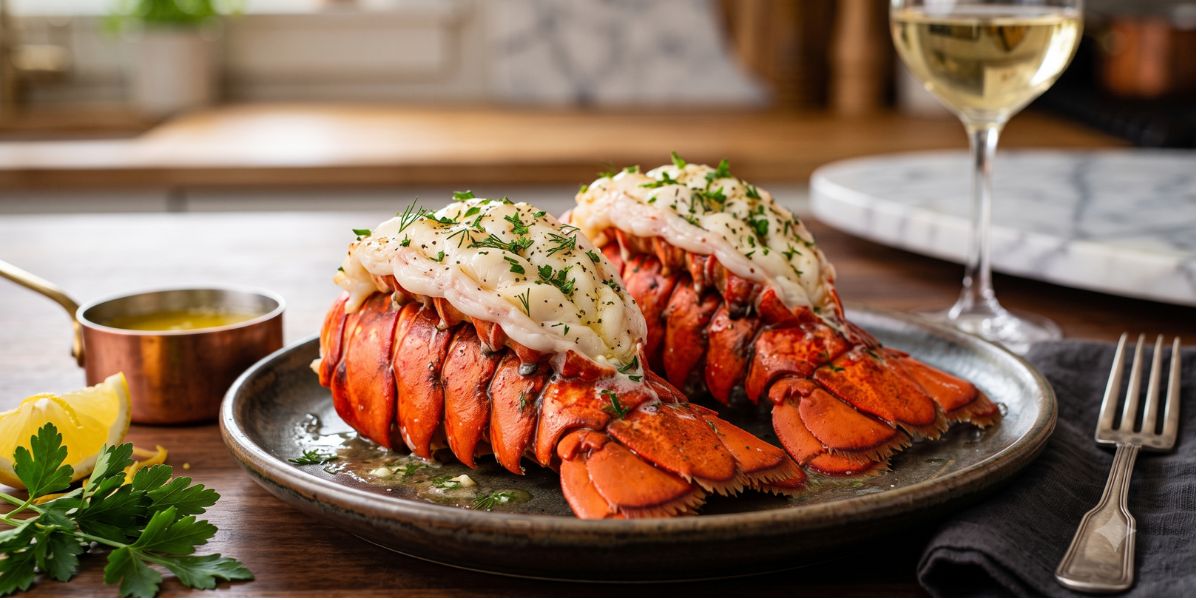
Frozen lobster tails are one of the easiest ways to enjoy a restaurant-style seafood dinner at home. They are simple to store, easy to prepare, and much less intimidating than many people think. With the right steps, you can turn frozen lobster tails into a tender, flavorful meal without needing professional cooking skills.
If you have ever wondered how to cook frozen lobster tails, this guide will walk you through the full process from start to finish. You will learn how to thaw them safely, how to prepare them before cooking, and which cooking methods work best. We will also cover cooking times, signs of doneness, common mistakes to avoid, and the best seasonings and side dishes to serve with lobster.
Whether you want to broil, bake, boil, steam, or grill, you can get great results at home. Once you understand the basics, cooking lobster tails becomes simple, quick, and very rewarding.
Can You Cook Frozen Lobster Tails at Home?
Yes, you can absolutely cook frozen lobster tails at home, and the results can be excellent. In fact, frozen lobster tails are a popular choice because they are convenient, widely available, and often more practical than buying fresh whole lobster. Since they are already cleaned and portioned, they are easier to work with, especially for beginners.
Another reason frozen lobster tails are so popular is flexibility. You can keep them in your freezer until you are ready to use them for a special dinner, date night, holiday meal, or weekend treat. They also pair well with many different cooking styles and flavors.
There are several ways to cook frozen lobster tails. The most common methods are baking, broiling, steaming, boiling, and Best Charcoal Grills for Authentic Smoky Flavor grilling. Each one has its own benefits. Broiling gives the top a lightly golden finish. Baking is easy and hands-off. Steaming helps the meat stay moist. Boiling is quick and simple. Grilling adds smoky flavor.
Even though it is possible to cook lobster tails from frozen, thawing them first usually gives the best texture. Proper thawing helps the meat cook more evenly and lowers the risk of ending up with a tough or rubbery texture.
What You Need to Cook Frozen Lobster Tails
Before you begin, gather all your ingredients and tools. Having everything ready makes the process all smoother and helps you avoid overcooking the lobster while you search for supplies.
Here is what you will need:
- Frozen lobster tails
- Kitchen shears
- Butter or olive oil
- Garlic
- Lemon
- Salt
- Black pepper
- Paprika
You will also need one or more cooking tools depending on the method you choose:
- Baking sheet for baking or broiling
- Large pot for boiling
- Pot with steamer basket for steaming
- Grill for grilling
Optional ingredients can also add more flavor. Fresh parsley, melted garlic butter, cayenne, onion powder, and herbs like thyme or dill all work well with lobster. However, simple seasoning is often best because lobster already has a naturally sweet, delicate flavor.
How to Thaw Frozen Lobster Tails
The best way to thaw frozen lobster tails is slowly in the refrigerator. This method gives the safest and most even thaw. Place the frozen tails on a plate or in a shallow dish and let them thaw overnight, usually for 8 to 12 hours depending on size.
If you need a faster option, place the lobster tails in a sealed plastic bag and submerge the bag in cold water. Change the water every 30 minutes to keep it cold. This method usually takes about 30 to 60 minutes for smaller tails and a little longer for larger ones.
Avoid using hot water. Hot water can start cooking the outside of the lobster while the inside stays frozen. This often leads to uneven texture. You should also avoid thawing lobster tails in the microwave unless your microwave has a very gentle defrost setting and you plan to watch it closely. Microwave thawing can quickly make the meat tough.
A properly thawed lobster tail should feel cold but flexible. If it is still very hard in the center, give it more time before cooking.
How to Prepare Frozen Lobster Tails Before Cooking
Once the lobster tails are thawed, the next step is preparing them. This part may look tricky at first, but it is actually simple with a good pair of kitchen shears.
Start by placing the lobster tail shell-side up on a cutting board. Use the kitchen shears to cut down the center of the shell lengthwise. Begin at the open end and stop just before the tail fin. Be careful not to cut all the way through the bottom shell or into the meat.
Next, gently spread the shell open with your fingers. Loosen the meat from the shell by sliding your fingers or a spoon underneath it. Keep the meat attached at the base of the tail. If you want a more elegant presentation, lift the meat up and rest it on top of the shell. This is called butterflying the lobster tail. It helps the meat cook evenly and gives the tail a polished, restaurant-style look.
Once the meat is exposed, pat it dry with a paper towel. This helps seasoning stick better and improves the final texture.
For seasoning, brush the lobster with melted butter or olive oil. Then sprinkle with salt, pepper, paprika, and minced garlic. A squeeze of fresh lemon adds brightness. Keep the seasoning simple so the natural lobster flavor stays front and center.
How to Cook Frozen Lobster Tails: Best Methods
There is no single best method for every cook. The right choice depends on the texture, flavor, and level of effort you want. Below are the most reliable ways to cook lobster tails at home.
How to Broil Frozen Lobster Tails
Broiling is one of the most popular ways to cook lobster tails because it is fast and gives the top a lightly browned finish. It is a great option when you want lobster that looks beautiful and tastes rich.
To broil lobster tails, preheat your broiler and move the oven rack so the lobster will sit about 5 to 6 inches below the heat source. Prepare the lobster tails by cutting the shell and lifting the meat above it. Place them on a baking sheet or broiler-safe pan.
Brush the meat with melted butter or olive oil. Season with garlic, paprika, salt, and pepper. Broil until the meat turns opaque and the edges begin to lightly brown.
As a rough guide, small lobster tails may take about 6 to 8 minutes, while larger tails can take 8 to 12 minutes. The exact time depends on thickness, not just weight.
You will know they are done when the meat is white and opaque, the shell is bright red, and the texture feels firm but not hard. Watch closely during broiling because lobster can overcook quickly.
How to Bake Frozen Lobster Tails
Baking is one of the easiest methods if you want a more gentle and hands-off approach. It does not brown the top as much as broiling, but it cooks the lobster evenly and works well for beginners.
Preheat your oven to 375°F to 400°F. Prepare the lobster tails and place them on a baking sheet or in a baking dish. Brush with melted butter or olive oil and season with garlic, lemon juice, paprika, salt, and pepper.
Bake until the meat is opaque and tender. Smaller tails may need about 10 to 12 minutes, while larger ones may take 12 to 15 minutes or a little more. Again, the thickness of the meat matters most.
Baking is especially good if you are cooking multiple lobster tails at once. It is also easy to pair with a butter sauce that can be spooned over the top before serving.
How to Boil Frozen Lobster Tails
Boiling is simple, quick, and great for cooks who want tender meat without much prep. It does not create the same roasted flavor as baking or broiling, but it can produce juicy lobster when done carefully.
Bring a large pot of water to a gentle boil. Add salt to season the water. Once the water is ready, lower the thawed lobster tails into the pot.
Cook them just until the shells turn bright red and the meat becomes opaque. This often takes around 5 to 8 minutes for smaller tails and a bit longer for large ones. Avoid a hard rolling boil for too long, as this can make the lobster tough.
One advantage of boiling is speed. It is also easy if you want to use the lobster meat later in pasta, salads, sandwiches, or seafood rolls. One downside is that some flavor can be lost into the water compared with dry-heat methods like broiling or grilling.
How to Steam Frozen Lobster Tails
Steaming is one of the best methods for keeping lobster moist. It is gentle, reliable, and a great choice if you want soft, tender texture without drying out the meat.
To steam lobster tails, add a few inches of water to a pot and place a steamer basket inside. Bring the water to a simmer. Put the lobster tails in the basket, cover the pot, and steam until the meat is white and opaque.
Depending on size, steaming may take about 6 to 10 minutes. Larger tails may take a little longer. Check early and often to avoid overcooking.
Many people prefer steaming because the lobster keeps more of its natural sweetness. It is also a smart choice if you plan to serve the lobster with melted butter, since the clean cooking method lets the sauce shine.
How to Grill Frozen Lobster Tails
Grilling gives lobster tails a bold, smoky flavor that feels perfect for summer dinners and outdoor meals. It works especially well if you enjoy a slightly charred finish and rich butter basting.
Preheat the grill to medium heat. Prepare the lobster tails by cutting the shell and loosening the meat. Brush the meat with oil or melted butter to stop it from sticking and drying out.
Place the lobster tails shell-side down on the grill. This protects the meat from direct heat. Grill for several minutes, then baste with more butter or a garlic-lemon mixture. If needed, you can flip them very briefly, but many cooks keep them shell-side down the whole time.
Most lobster tails grill in about 6 to 10 minutes depending on size. Pull them off the heat as soon as the meat is opaque and firm.
Grilling is ideal if you want extra flavor without adding heavy sauces. A simple lemon butter baste is often enough.
How Long to Cook Frozen Lobster Tails
Cooking time is one of the most important parts of learning how to cook frozen lobster tails. The main thing to remember is that lobster cooks quickly. Even one or two extra minutes can change the texture from tender to rubbery.
As a general guide:
- Small tails cook faster than large tails
- Thicker meat takes longer than thin meat
- Broiling and grilling are usually the fastest methods
- Baking and steaming are more gentle
- Boiling is quick but requires close attention
Instead of relying only on minutes, focus on appearance and texture. Lobster is done when the meat turns opaque, white, and slightly firm. The shell should also turn bright red.
If you like using a thermometer, the internal temperature should be around 140°F to 145°F at the thickest part of the meat. This can help if you are nervous about overcooking.
When in doubt, start checking early. It is much easier to add another minute than to fix overcooked lobster.
How to Know When Lobster Tails Are Done
Knowing when lobster tails are done is the key to getting great results. Undercooked lobster looks translucent and soft. Overcooked lobster becomes dry, chewy, and rubbery. The sweet spot is right in the middle.
Here are the main signs to look for:
The meat should turn from translucent to white and opaque. A little shine is normal, but it should no longer look raw or glassy.
The shell should become a bright red color. While shell color alone is not enough to judge doneness, it is a helpful sign.
The texture should feel firm but still tender. If you press lightly with a fork, the meat should spring back.
If you use an instant-read thermometer, check the thickest part of the tail. It should reach about 140°F to 145°F.
The most common mistake is waiting too long because you want to be sure it is cooked. Lobster keeps cooking for a short time after it comes off the heat, so it is smart to remove it as soon as it reaches the right point.
Common Mistakes to Avoid When Cooking Frozen Lobster Tails
Lobster tails are easy to cook, but a few common mistakes can hurt the final result.
One mistake is cooking them straight from frozen without thawing first. While it can be done in some cases, it often leads to uneven cooking. The outer meat may dry out before the center is ready.
Another mistake is overcooking. This is the biggest reason lobster turns rubbery. Since lobster cooks fast, check early and avoid leaving it unattended.
Under-seasoning is also a problem. Lobster has delicate flavor, but that does not mean it should be bland. A little butter, salt, garlic, lemon, and paprika can make a big difference.
Using too much heat for too long can also ruin texture. High heat works well for broiling and grilling, but the timing must stay short and controlled.
Finally, do not wait too long to check for doneness. With seafood, timing matters. A careful eye is one of your best tools.
Best Seasonings and Sauces for Lobster Tails
Lobster tastes rich and sweet on its own, so the best seasonings support that flavor instead of covering it up. You do not need a long list of ingredients to make lobster delicious.
Garlic butter is the classic choice. Melt butter and stir in minced garlic, then brush it over the lobster before or after cooking. This gives deep flavor and keeps the meat moist.
Lemon herb butter is another excellent option. Add fresh lemon juice, chopped parsley, and a little thyme or dill to melted butter for a lighter finish.
Cajun seasoning works well if you want a little spice and stronger flavor. Use it lightly so it does not overpower the lobster.
Paprika butter adds color and mild warmth. Smoked paprika gives an extra layer of flavor, especially for grilled lobster tails.
You can also keep things very simple with salt, pepper, and melted butter. For many people, this is the best way to enjoy lobster because it lets the seafood remain the star of the plate.
Serve sauces on the side if possible. That way, people can add as much or as little as they like.
What to Serve with Lobster Tails
Lobster tails feel special, but they are easy to pair with familiar side dishes. A good side should support the meal without taking attention away from the lobster.
Roasted vegetables are a great choice. Asparagus, green beans, carrots, and broccoli all work well.
Mashed potatoes add comfort and richness. Their creamy texture pairs beautifully with lobster and butter sauce.
Rice pilaf is another smart option. It is light, simple, and helps soak up extra butter or lemon sauce.
Pasta can turn lobster into a more filling dinner. A lightly buttered pasta or a lemon garlic pasta works best.
A crisp salad adds freshness and balance. Choose something simple with mixed greens, cucumber, and a light vinaigrette.
Garlic bread is also a popular side, especially if you are serving lobster with extra melted butter.
For a complete meal, combine one vegetable side, one starch, and a simple sauce. This keeps the plate balanced without becoming too heavy.
FAQs
Do I need to thaw lobster tails before cooking?
Thawing is strongly recommended because it helps the lobster cook evenly and gives better texture. Refrigerator thawing overnight is the best method. If you are in a hurry, use a sealed bag in cold water.
Can I cook frozen lobster tails without thawing?
Yes, but it is not the best option for texture. Cooking from frozen often leads to uneven results, with the outside cooking faster than the center. For the best quality, thaw first.
What is the best cooking method for lobster tails?
Broiling is often considered the best all-around method because it is quick, easy, and gives attractive presentation. However, steaming is great for moisture, baking is easy for beginners, boiling is fast, and grilling adds smoky flavor.
How long do lobster tails take to cook?
The exact time depends on the size and cooking method. In general, lobster tails cook quickly, often within 6 to 15 minutes. The best guide is not just time but doneness. Look for opaque meat, bright red shell, and firm texture.
Why are my lobster tails rubbery?
Rubbery lobster is usually caused by overcooking. It can also happen if the lobster was not thawed properly or if it was cooked over heat that was too intense for too long. Careful timing is the best way to prevent this.
Final Thoughts on How to Cook Frozen Lobster Tails
Once you learn the basics, cooking lobster at home becomes much less intimidating. The easiest path is to thaw the tails properly, prepare the shell with kitchen shears, season the meat lightly, and choose a cooking method that matches your style.
If you want a quick and popular option, broiling is hard to beat. If you prefer a more gentle approach, baking or steaming are excellent choices. Boiling is fast and practical, while grilling adds extra flavor and a special outdoor feel.
The most important rule is simple: do not overcook the lobster. Watch for opaque meat, bright red shell, and a firm but tender bite. When you follow those signs, you are far more likely to get juicy, flavorful lobster every time.
Now that you know how to cook frozen lobster tails, you can pick the method that fits your time, tools, and taste. With a little care and the right timing, frozen lobster tails can turn into an impressive homemade meal that feels far easier than it sounds.