
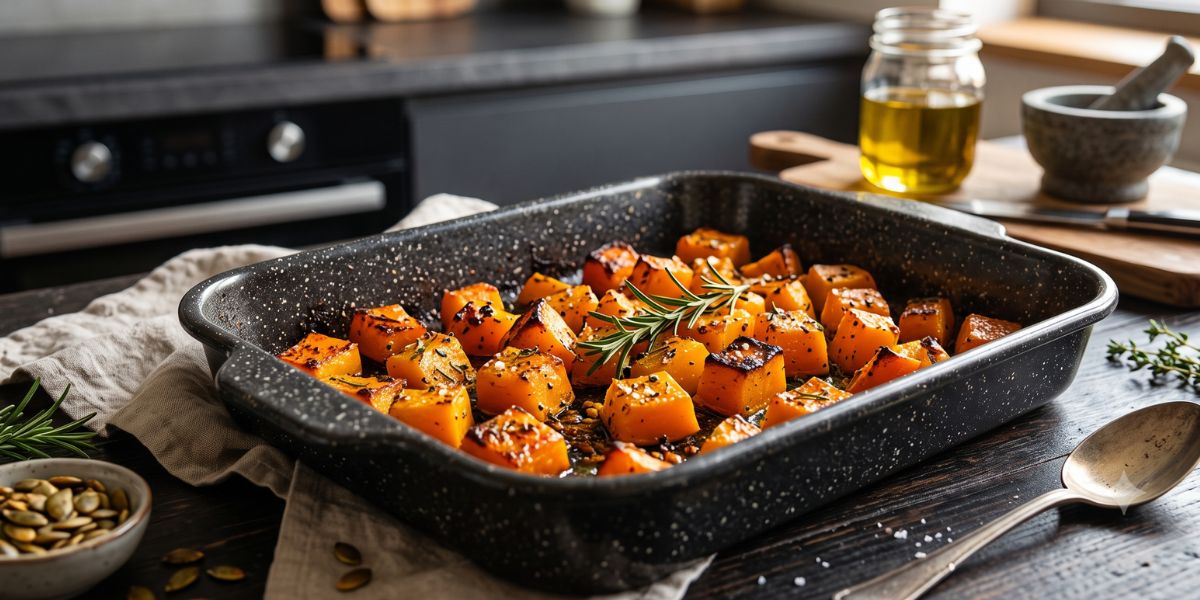
Butternut squash is one of the best vegetables to cook during fall and winter. It has a naturally sweet flavor, a nutty taste, and a soft, creamy texture when cooked well. You can serve it as a simple side dish, add it to salads, blend it into soup, or use it in pasta, grain bowls, and holiday meals.
If you want an easy and reliable cooking method, roasting is one of the best choices. When butternut squash cooks in a hot oven, the edges turn golden brown, the inside becomes tender, and the natural sugars start to caramelize. This gives the squash a rich flavor without needing many ingredients.
In this guide, you will learn how to cook butternut squash in the oven step by step. You will also learn how to choose a good squash, how to cut it safely, what seasonings to use, how long to roast it, and how to store leftovers.
Whether you are making roasted butternut squash for a weeknight dinner or a holiday table, this simple oven method will help you get delicious results every time.
What You Need to Cook Butternut Squash in the Oven
You do not need many ingredients to make roasted butternut squash. The basic recipe is simple, and you can change the seasonings based on your taste.
Basic Ingredients
To cook butternut squash in the oven, you will need:
- 1 medium butternut squash
- 1 to 2 tablespoons olive oil or avocado oil
- Salt
- Black pepper
These basic ingredients are enough to bring out the natural flavor of the squash. Olive oil helps the squash roast evenly and gives the edges a golden color. Salt balances the sweetness, and black pepper adds a mild bite.
Optional Seasonings
You can keep roasted butternut squash simple, or you can add more flavor. Some good seasoning options include:
- Garlic powder
- Cinnamon
- Paprika
- Rosemary
- Thyme
- Maple syrup
- Brown sugar
- Cayenne pepper
- Chili flakes
For a savory side dish, use garlic powder, rosemary, thyme, salt, and pepper. For a sweet version, use cinnamon, maple syrup, brown sugar, and a small pinch of salt. For a spicy version, use paprika, cayenne pepper, or chili flakes.
The best part about roasting butternut squash is that it works with many different flavors. You can make it sweet, savory, spicy, or a mix of all three.
How to Choose a Good Butternut Squash
A good roasted dish starts with a good squash. When shopping for butternut squash, look for one that feels firm and heavy for its size. A heavy squash usually means the flesh inside is fresh and moist.
The skin should be smooth, matte, and beige. Avoid squash with shiny skin, deep cuts, soft spots, cracks, or mold. A few light scratches are usually fine, but large bruises or wet spots can be signs that the squash is past its best.
Choose a squash with a long neck and a smaller bulb if you want more usable flesh. The round bulb contains the seeds, while the neck is solid squash. A long neck gives you more squash to cube or slice.
A ripe butternut squash should feel hard. If it feels soft when you press it, choose another one. A fresh squash will roast better and have a sweeter, cleaner flavor.
How to Prepare Butternut Squash for Roasting
Butternut squash can look hard to prepare because of its thick skin and firm flesh. But with the right steps, it is easy to handle. Use a sharp knife, a stable cutting board, and take your time.
Wash the Squash
Before cutting, rinse the outside of the squash under cool running water. Even though you may peel the skin, washing is still important. Dirt or bacteria from the outside can move onto the flesh when you cut through it.
Dry the squash with a clean towel. A dry squash is easier and safer to hold while cutting.
Peel the Squash
If you are roasting cubed butternut squash, peeling is usually best. Use a sharp vegetable peeler and peel from top to bottom. The skin can be tough, so use steady pressure.
You can also make peeling easier by cutting off the top and bottom ends first. This gives the squash a flat base and makes it more stable.
Peeling is optional if you are roasting butternut squash halves. When the squash is roasted in halves, the flesh becomes soft and can be scooped out after baking. This is a good method if you plan to mash the squash or use it in soup.
Cut and Remove the Seeds
Once the squash is washed and peeled, slice off both ends. Then cut the squash in half lengthwise. Use a large, sharp knife and press down carefully.
The bulb end contains the seeds. Scoop them out with a spoon. You can throw the seeds away, or you can clean and roast them, just like pumpkin seeds.
If the squash feels too hard to cut, you can microwave it for a few minutes to soften it slightly. Pierce the skin a few times first, then microwave for 2 to 3 minutes. Let it cool before cutting.
Cube or Slice the Squash
After removing the seeds, cut the squash into cubes or slices. Cubes are the most common choice because they roast quickly and are easy to serve. Try to cut the pieces into similar sizes so they cook evenly.
For most recipes, 1-inch cubes work well. Smaller cubes cook faster and get more browned edges. Larger cubes take longer but stay creamier inside.
You can also roast butternut squash in halves. Halves are easier to prepare because you do not need to peel or cube the squash before baking. This method is great for soups, purees, mashed squash, or baby food.
How to Cook Butternut Squash in the Oven
Learning how to cook butternut squash in the oven is simple once you know the basic method. The key steps are high heat, enough oil to coat the squash, and enough space on the baking sheet.
Step 1: Preheat the Oven
Preheat your oven to 400°F / 200°C.
This temperature is hot enough to brown the squash without burning it too quickly. It also helps the outside caramelize while the inside becomes soft and tender.
If the oven is too low, the How to Cook Butternut Squash may turn soft before it browns. If the oven is too high, the edges may burn before the inside is cooked. For most home cooks, 400°F is a good balance.
Step 2: Season the Squash
Place the cubed or sliced butternut squash in a large bowl. Add olive oil or avocado oil, salt, and black pepper. Toss until the pieces are lightly coated.
Do not use too much oil. The squash should look glossy, not greasy. Too much oil can make the squash soft and heavy instead of roasted and caramelized.
At this stage, you can add any extra seasonings you like. Garlic powder, rosemary, thyme, and paprika work well for savory squash. Cinnamon, maple syrup, and brown sugar work well for a sweeter version.
If using maple syrup or brown sugar, use a light amount. Too much sugar can burn in the oven.
Step 3: Arrange on a Baking Sheet
Spread the squash on a large baking sheet in a single layer. Make sure the pieces are not crowded.
This step is important. If the squash pieces are too close together, they will steam instead of roast. Steamed squash becomes soft but does not get the same golden, caramelized edges.
For the best results, leave a little space between the pieces. Use two baking sheets if needed. It is better to use more space than to pile everything onto one pan.
You can line the baking sheet with parchment paper for easier cleanup. You can also roast directly on the pan for deeper browning.
Step 4: Roast Until Tender
Roast the butternut squash until it is tender and golden.
For cubed squash, roast for about 25 to 35 minutes. Flip the pieces halfway through cooking so they brown on more than one side.
For halved squash, roast for about 40 to 50 minutes, depending on size. Place the halves cut-side down or cut-side up. Cut-side down gives a softer, steamier texture. Cut-side up gives more roasted flavor on the surface.
The squash is done when you can easily pierce it with a fork.
How Long Does Butternut Squash Take to Cook in the Oven?
The cooking time depends on how you cut the squash.
Cubed butternut squash usually takes 25 to 35 minutes at 400°F. Small cubes may be ready closer to 25 minutes, while larger cubes may need the full 35 minutes.
Sliced butternut squash usually takes 30 to 40 minutes, depending on thickness.
Halved butternut squash usually takes 40 to 50 minutes. A very large squash may take closer to 60 minutes.
The best way to check is with a fork. If the fork slides in easily, the squash is done.
How to Know When Butternut Squash Is Done
Roasted butternut squash should be soft inside and lightly browned outside. The edges should look golden brown and slightly caramelized. The flesh should be tender, creamy, and easy to pierce with a fork.
If the squash is still firm in the center, return it to the oven for another 5 to 10 minutes.
If the edges are browning too fast but the inside is not soft yet, lower the oven temperature slightly or move the pan to a lower rack.
Properly roasted butternut squash should not be watery. It should hold its shape but still feel tender when you bite into it.
Best Seasoning Ideas for Oven-Roasted Butternut Squash
Butternut squash has a mild, sweet flavor, so it works with many seasonings. You can make it savory, sweet, spicy, or herby.
Savory Roasted Butternut Squash
For a savory version, use:
- Olive oil
- Salt
- Black pepper
- Garlic powder
- Rosemary or thyme
This version is great for dinner. It goes well with roasted chicken, turkey, salmon, rice, and grain bowls.
You can also add onion powder, smoked paprika, or a little parmesan cheese after roasting. Fresh herbs like parsley or sage also taste good with savory squash.
Sweet Roasted Butternut Squash
For a sweet version, use:
- Olive oil or melted butter
- Cinnamon
- Maple syrup
- Brown sugar
- A pinch of salt
This version is warm, cozy, and perfect for fall. It works well for holiday meals, especially with turkey, ham, or roasted vegetables.
The pinch of salt is important because it keeps the sweetness balanced. Without salt, the dish may taste flat.
Add maple syrup near the beginning if you want it to bake into the squash. For a fresher maple flavor, drizzle a little more on after roasting.
Spicy Roasted Butternut Squash
For a spicy version, use:
- Olive oil
- Salt
- Black pepper
- Paprika
- Cayenne pepper
- Chili flakes
This version is bold and flavorful. It works well in tacos, grain bowls, salads, and rice dishes.
Start with a small amount of cayenne pepper if you do not want too much heat. You can always add more after roasting.
Sweet and Spicy Version
You can also combine sweet and spicy flavors. Toss the squash with olive oil, salt, cinnamon, paprika, and a small drizzle of maple syrup. Add a pinch of cayenne if you like heat.
This version gives you sweet, smoky, and spicy flavors in one dish.
Tips for the Best Roasted Butternut Squash
A few small tips Best Air Fryer Ovens for Fast can make a big difference when cooking butternut squash in the oven.
Cut the Pieces Evenly
Try to cut the squash into pieces that are about the same size. If some pieces are much larger than others, the smaller pieces may burn before the larger ones are tender.
Even pieces cook at the same speed and give a better final texture.
Use Enough Oil to Coat Lightly
Oil helps the squash brown and keeps it from drying out. But too much oil can make it greasy or mushy.
Use just enough oil to coat each piece lightly. The squash should not be sitting in oil on the pan.
Roast at High Heat
Roasting works best at a fairly high temperature. For butternut squash, 400°F / 200°C is a reliable choice.
High heat helps the outside brown while the inside becomes tender.
Do Not Overcrowd the Pan
This is one of the most common mistakes. When the pan is too full, the squash releases moisture and starts to steam. It may become soft, but it will not get those golden roasted edges.
Use a large baking sheet and spread the squash in one layer.
Flip Once During Baking
Flipping the squash halfway through helps it brown on more than one side. Use a spatula and gently turn the pieces.
You do not need to flip every single cube perfectly. Just move them around enough so more sides touch the hot pan.
Taste and Adjust After Roasting
Always taste the squash after roasting. You may want to add more salt, pepper, herbs, maple syrup, or a squeeze of lemon juice.
A small finishing touch can make the dish taste brighter and more balanced.
What to Serve with Roasted Butternut Squash
Roasted butternut squash is a flexible side dish. It works with simple dinners and special holiday meals.
You can serve it with:
- Roast chicken
- Turkey
- Salmon
- Pork chops
- Grain bowls
- Green salads
- Pasta
- Rice dishes
- Lentils
- Quinoa
- Holiday meals
For a simple dinner, serve roasted butternut squash with chicken and a green salad. For a vegetarian meal, add it to a bowl with quinoa, chickpeas, spinach, and tahini dressing.
You can also toss roasted squash into pasta with garlic, butter, parmesan, and fresh herbs. It adds sweetness, color, and a creamy texture.
For holiday meals, roasted butternut squash pairs well with turkey, stuffing, cranberry sauce, green beans, and mashed potatoes. It adds color and natural sweetness to the table.
How to Use Leftover Roasted Butternut Squash
Leftover roasted butternut squash is very useful. You can enjoy it as a side dish again, or you can turn it into something new.
Here are a few easy ideas:
Add it to salads with spinach, arugula, goat cheese, pecans, and balsamic dressing.
Blend it into soup with broth, garlic, onion, and a little cream or coconut milk.
Mix it into pasta with butter, sage, parmesan, and black pepper.
Add it to breakfast bowls with eggs, greens, and avocado.
Mash it with butter, salt, and pepper for a simple mashed squash side dish.
Use it in tacos with black beans, cabbage, and a spicy sauce.
Add it to rice bowls with chicken, tofu, chickpeas, or salmon.
Roasted butternut squash is also great for meal prep because it can be used in both warm and cold meals.
How to Store Cooked Butternut Squash
Let the roasted squash cool before storing it. Do not leave it at room temperature for too long.
Place the cooked squash in an airtight container and store it in the refrigerator for up to 4 days.
For the best texture, keep it in a shallow container. This helps it cool faster and makes reheating easier.
If you used sweet toppings like maple syrup or brown sugar, the squash may soften more as it sits. It will still taste good, but it may not be as crisp around the edges after reheating.
Can You Freeze Roasted Butternut Squash?
Yes, you can freeze cooked butternut squash. Freezing works best if you plan to use the squash in soups, purees, sauces, or mashed dishes.
To freeze roasted squash, let it cool Air Fryer Cinnamon Rolls Recipe completely. Place it in a freezer-safe bag or container. Remove as much air as possible, then freeze.
For best quality, use frozen roasted squash within 2 to 3 months.
After thawing, the texture may be softer than fresh roasted squash. This is normal. It may not be ideal as a firm side dish, but it is excellent for blending or mashing.
How to Reheat Roasted Butternut Squash
You can reheat roasted butternut squash in the oven, air fryer, or microwave.
Reheating in the Oven
Preheat the oven to 350°F / 175°C. Spread the squash on a baking sheet and heat for 10 to 15 minutes, or until warm.
This method gives the best texture because it helps dry out extra moisture.
Reheating in the Air Fryer
Place the squash in the air fryer and heat at 350°F / 175°C for 5 to 8 minutes.
This is a good option if you want the edges to crisp up a little.
Reheating in the Microwave
Place the squash in a microwave-safe bowl. Heat in short intervals until warm.
The microwave is the fastest method, but the squash will be softer. It is best for quick meals or when texture is not a big concern.
Common Mistakes to Avoid
Roasted butternut squash is easy, but a few mistakes can affect the final result.
Cutting Pieces Too Large
Large pieces take longer to cook. If they are too big, the outside may brown before the inside becomes tender.
For faster cooking, cut the squash into 1-inch cubes.
Using Too Much Oil
Too much oil can make the squash greasy. It can also keep the edges from browning properly.
Use just enough oil to coat the pieces.
Crowding the Pan
Crowding causes steaming. If you want caramelized edges, give the squash space.
Use two pans if needed.
Not Using Enough Salt
Butternut squash is naturally sweet. Salt helps balance that sweetness and brings out the flavor.
Even if you are making a sweet version, add a small pinch of salt.
Pulling It Out Too Early
If the squash is not fork-tender, it needs more time. A good roasted squash should be soft and creamy inside.
Cook time can vary based on the size of the pieces and the strength of your oven.
Easy Oven-Roasted Butternut Squash Recipe
Ingredients
- 1 medium butternut squash
- 1 to 2 tablespoons olive oil or avocado oil
- 1/2 teaspoon salt, or to taste
- 1/4 teaspoon black pepper
- Optional: garlic powder, cinnamon, paprika, rosemary, maple syrup, or brown sugar
Instructions
- Preheat the oven to 400°F / 200°C.
- Wash and dry the butternut squash.
- Peel the squash if making cubes.
- Cut off both ends, then slice the squash in half lengthwise.
- Scoop out the seeds with a spoon.
- Cut the squash into 1-inch cubes or slices.
- Place the squash in a large bowl.
- Add oil, salt, pepper, and any extra seasonings.
- Toss until the squash is evenly coated.
- Spread the squash on a baking sheet in a single layer.
- Roast for 25 to 35 minutes, flipping halfway through.
- Remove from the oven when the squash is fork-tender and golden brown.
- Taste and adjust seasoning before serving.
Frequently Asked Questions
Do you have to peel butternut squash before roasting?
You do not always have to peel butternut squash before roasting. If you are roasting the squash in halves, you can leave the skin on and scoop out the soft flesh after it cooks.
If you are making cubed roasted butternut squash, peeling is usually better. The skin can be tough, and peeled cubes are easier to eat.
What temperature is best for roasting butternut squash?
The best temperature for roasting butternut squash is usually 400°F / 200°C. This temperature helps the squash become tender inside while the edges turn golden and caramelized.
You can roast it at a slightly lower temperature, but it may take longer and may not brown as well.
How long does butternut squash take to cook in the oven?
Cubed butternut squash usually takes 25 to 35 minutes at 400°F / 200°C. Halved butternut squash usually takes 40 to 50 minutes.
The exact time depends on the size of the squash pieces and your oven. Always check with a fork.
Can you roast butternut squash with the skin on?
Yes, you can roast butternut squash with the skin on, especially when roasting halves. After roasting, the flesh will be soft and easy to scoop out.
For cubed squash, it is better to peel it first because the skin can be chewy.
Why is my butternut squash mushy?
Butternut squash can become mushy if the pan is overcrowded, if you use too much oil, or if it cooks for too long.
To avoid mushy squash, cut the pieces evenly, use a light coating of oil, spread them in a single layer, and roast at 400°F. Also, flip the squash only once during baking instead of moving it too often.
Can I make roasted butternut squash ahead of time?
Yes, roasted butternut squash can be made ahead of time. Store it in an airtight container in the refrigerator for up to 4 days.
For the best texture, reheat it in the oven or air fryer instead of the microwave.
Is roasted butternut squash healthy?
Roasted butternut squash can be a healthy side dish. It is naturally rich in color, has a sweet flavor without needing much added sugar, and works well with simple ingredients like olive oil, herbs, salt, and pepper.
For a lighter version, use a small amount of oil and avoid adding too much sugar or butter.
Can I use frozen butternut squash?
Yes, you can roast frozen butternut squash, but the texture may be softer. Frozen squash contains more moisture, so it may not brown as well as fresh squash.
For best results, roast it from frozen on a hot baking sheet and avoid overcrowding the pan.
Conclusion
Now you know how to cook butternut squash in the oven using a simple and reliable method. Start with a good squash, cut it into even pieces, season it well, and roast it at 400°F until tender and golden.
Roasted butternut squash is easy enough for a weeknight meal but special enough for a holiday table. You can make it savory with garlic and herbs, sweet with cinnamon and maple syrup, or spicy with paprika and chili flakes.
Serve it with roast chicken, turkey, salmon, pasta, rice bowls, salads, or your favorite fall dinner. Once you learn this basic oven method, you can use it again and again with different flavors.