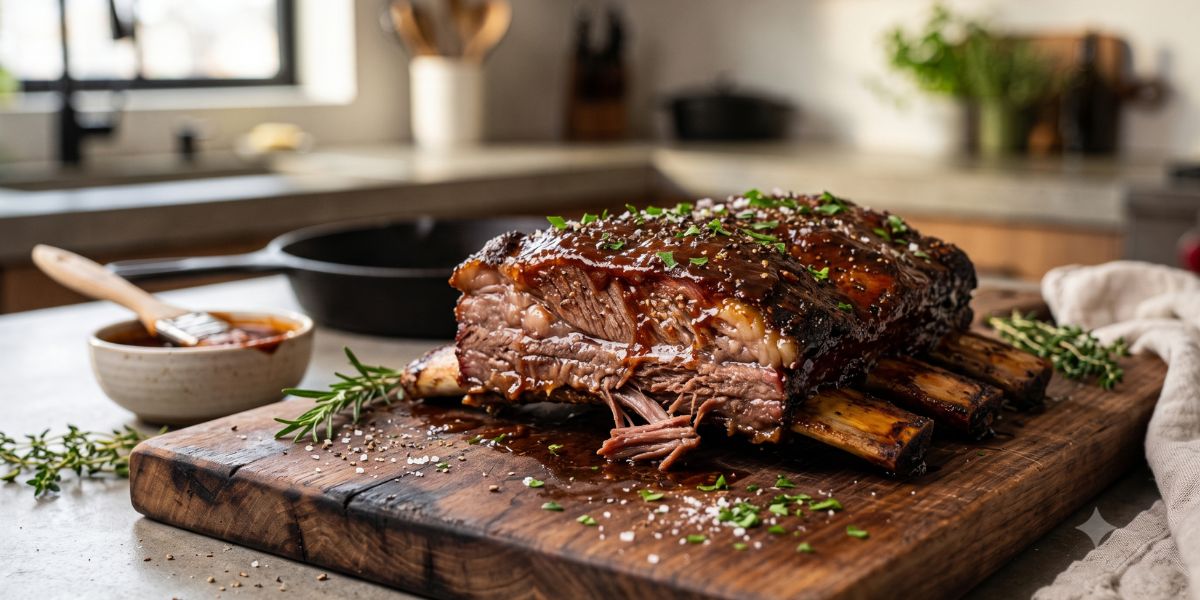
Beef ribs are rich, meaty, and full of deep flavor. When they are cooked the right way, they can be tender, juicy, smoky, and satisfying. They are the kind of meal that feels special, even when the ingredients are simple.
But beef ribs are not a cut you should rush. They need low heat, steady cooking, and enough time for the tough meat and fat to soften. If you cook beef ribs too fast, they can turn out chewy and dry. If you cook them slowly, they can become tender and full of flavor.
This guide will show you how to cook beef ribs in the oven, on the grill, or in a smoker. You will also learn how to prepare them, what temperature to cook them to, how long they take, and what mistakes to avoid.
Whether you are making beef ribs for a family dinner, weekend barbecue, holiday meal, or backyard cookout, the goal is the same: tender beef ribs with great flavor.
What Are Beef Ribs?
Beef ribs come from the rib section of the cow. They are larger and meatier than pork ribs. They also have a stronger beef flavor. This makes them a favorite for barbecue lovers and anyone who enjoys rich, hearty meat.
There are two common types of beef ribs: beef back ribs and beef short ribs.
Beef back ribs come from the upper rib area, near where ribeye steaks are cut. Since much of the meat is removed for steaks, beef back ribs often have meat between the bones instead of a thick layer on top. They are flavorful and great for grilling, smoking, or baking.
Beef short ribs come from the lower part of the rib area. They are usually thicker, meatier, and richer than back ribs. Short ribs have more fat and connective tissue, so they need slow cooking to become soft and tender.
Both types of beef ribs can taste amazing when cooked low and slow. The slow cooking process helps break down collagen and fat. This is what turns a tough cut into tender meat.
Beef ribs are not like a quick steak. You cannot throw them over high heat for a few minutes and expect them to be tender. They need patience. The reward is worth it.
Ingredients You Need to Cook Beef Ribs
You do not need a long list of ingredients to make great beef ribs. The meat already has a lot of natural flavor. A simple dry rub and the right cooking method can make a big difference.
For basic beef ribs, you will need:
- Beef ribs
- Salt
- Black pepper
- Garlic powder
- Onion powder
- Paprika
- Brown sugar
- BBQ sauce
You can also add optional ingredients such as cayenne pepper, mustard, or apple cider vinegar.
Salt helps bring out the natural flavor of the beef. Black pepper adds mild heat. Garlic powder and onion powder give the ribs a savory base. Paprika adds color and a light smoky taste. Brown sugar adds a little sweetness and helps create a nice crust.
BBQ sauce is optional, but many people enjoy it. It adds sweetness, tang, and a sticky finish. You can use your favorite store-bought sauce or make your own.
Mustard can be used as a binder before adding the dry rub. It helps the seasoning stick to the ribs. Do not worry. The ribs will not taste strongly like mustard after cooking.
Apple cider vinegar can be used to 50 Time-Saving Recipes for Busy Weeknights spritz the ribs while they cook. This can help keep the surface moist, especially when smoking or grilling.
Cayenne pepper is useful if you want spicy beef ribs. Add a small amount at first. You can always add more next time.
How to Prepare Beef Ribs Before Cooking
Good beef ribs start before they ever touch the heat. A little prep work helps the seasoning stick and improves the final texture.
First, check the ribs for a membrane. Some beef ribs have a thin, tough membrane on the bone side. This membrane can become chewy after cooking. If it is still attached, try to remove it.
To remove the membrane, slide a butter knife under one corner. Lift it gently. Then grab the membrane with a paper towel and pull it away from the bones. It may come off in one piece, or it may tear. That is fine. Remove as much as you can.
Next, pat the ribs dry with paper towels. This step is important. Dry meat holds seasoning better. It also helps the outside form a better crust during cooking.
After that, season the ribs. You can use a dry rub made with salt, pepper, garlic powder, onion powder, paprika, and brown sugar. Coat all sides of the ribs evenly. Press the seasoning into the meat with your hands.
For more flavor, let the ribs rest after seasoning. You can leave them at room temperature for a short time while the oven, grill, or smoker heats up. You can also season them ahead and refrigerate them for several hours.
If you refrigerate seasoned ribs, take them out before cooking so they are not ice cold when they go into the oven or smoker. This helps them cook more evenly.
How to Cook Beef Ribs in the Oven
Cooking beef ribs in the oven is one of the easiest methods. You do not need a smoker or grill. You can still get tender, juicy ribs with a rich flavor.
Start by preheating your oven to 275°F. This low temperature helps the beef ribs cook slowly. Slow cooking gives the meat time to soften.
Place the seasoned ribs on a baking sheet or in a roasting pan. Put the ribs bone-side down. If you want extra moisture, you can add a small amount of beef broth, water, or apple cider vinegar to the bottom of the pan. Do not pour it directly over the rub.
Cover the ribs tightly with foil. This helps trap steam and keeps the meat moist. It also prevents the ribs from drying out during the long cooking time.
Bake the ribs for about 3 to 4 hours. The exact time depends on the size and thickness of the ribs. Thin beef back ribs may cook faster. Thick short ribs may need more time.
After a few hours, check the ribs. They should feel tender when pierced with a fork or probe. The meat should pull back from the bones. If the ribs are still tough, cover them again and keep cooking.
When the ribs are tender, remove the foil. Brush the top with BBQ sauce. Increase the oven temperature to about 400°F, or use the broiler for a few minutes. This helps the sauce become sticky and glossy.
Watch the ribs closely during this step. BBQ sauce can burn quickly because it often contains sugar. You want a sticky glaze, not a burnt coating.
Once done, remove the ribs from the oven and let them rest for 10 to 15 minutes before slicing. Resting helps the juices settle back into the meat.
Oven-baked beef ribs are a great choice for beginners. The method is simple, steady, and reliable.
How to Cook Beef Ribs on the Grill
Grilled beef ribs have a wonderful flavor. The grill adds a smoky, charred taste that works well with the rich beef.
The key is indirect heat. Do not place beef ribs directly over high flames for the whole cooking time. That can burn the outside before the inside becomes tender.
To cook beef ribs on the grill, set up a two-zone fire. One side of the grill should be hot. The other side should have no direct flame. The ribs will cook on the cooler side.
Preheat the grill to about 250°F to 275°F if possible. Place the seasoned beef ribs bone-side down on the indirect heat side. Close the lid.
Let the ribs cook slowly. Turn them occasionally so they cook evenly. Try not to open the lid too often. Each time you open the grill, heat escapes.
If the ribs look dry, you can spritz them with apple cider vinegar, beef broth, or water. This can help keep the surface from drying out.
Grilled beef ribs usually take about 3 to 5 hours, depending on thickness and grill temperature. The ribs are ready when they are tender and the meat has pulled back from the bones.
Add BBQ sauce near the end of cooking. Do not add it too early. Sauce can burn if it is exposed to heat for too long. Brush it on during the last 15 to 30 minutes.
After cooking, move the ribs off the grill and let them rest. Then slice between the bones and serve.
Grilling is a good option when you want outdoor flavor but do not have a smoker. Just keep the heat low and avoid direct flames.
How to Cook Beef Ribs in a Smoker
Smoking is one of the best ways to cook beef ribs. It gives them deep flavor, a dark bark, and a tender texture. If you enjoy barbecue, smoked beef ribs are hard to beat.
Start by preheating your smoker to 225°F to 250°F. This temperature range is ideal for low-and-slow cooking.
Choose a wood that pairs well with beef. Oak is a classic choice. Hickory gives a stronger smoke flavor. Mesquite is bold and intense, so use it carefully. You can also use a mix of woods.
Place the seasoned ribs in the smoker bone-side down. Close the lid and let the smoke do its work.
During the first few hours, the ribs will absorb smoke and form a crust. This crust is called bark. It is one of the best parts of smoked beef ribs.
You can spritz the ribs every hour with apple cider vinegar or beef broth if the surface looks dry. This is optional, but it can help with moisture.
Some cooks wrap beef ribs midway through cooking. This is often done when the ribs have a good bark and need more time to become tender. Wrapping helps hold in moisture and can speed up the cooking process.
To wrap ribs, use butcher paper or foil. Butcher paper allows the ribs to breathe more. Foil traps more steam and can make the meat softer. Both methods work.
Smoked beef ribs can take 5 to 7 hours. Large, thick ribs may take longer. Do not cook by time alone. Cook until the ribs feel tender.
When done, the ribs should have a deep color and rich smell. A thermometer or probe should slide into the meat with little resistance.
You can serve smoked beef ribs dry-style with no sauce. You can also brush them with BBQ sauce near the end if you prefer a sweeter finish.
Let the ribs rest before slicing. This step matters, especially after a long smoke.
What Temperature Should Beef Ribs Be Cooked To?
For food safety, whole cuts of beef should reach a safe minimum internal temperature of 145°F and rest for at least 3 minutes, according to U.S. food safety guidance.
However, beef ribs are different from tender steaks. They contain more connective tissue. At 145°F, beef ribs may be safe, but they will usually still be tough.
For tender beef ribs, many cooks take them much higher, often around 200°F to 205°F. At this range, the connective tissue has had time to break down. The ribs become softer and easier to eat.
A meat thermometer is the best tool for checking doneness. Insert it into the thickest part of the meat. Avoid touching the bone because the bone can give an inaccurate reading.
You can also check tenderness with a probe, skewer, or fork. If it slides into the meat easily, the ribs are close to done. If the meat still feels tight or rubbery, keep cooking.
Do not rely only on color. Beef ribs can look done before they are tender. A thermometer gives you a more accurate result.
How Long Does It Take to Cook Beef Ribs?
The cooking time depends on the type of ribs, their size, and your cooking temperature.
As a general guide:
Oven beef ribs take about 3 to 4 hours at 275°F.
Smoked beef ribs take about 5 to 7 hours at 225°F to 250°F.
Grilled beef ribs take about 3 to 5 hours over indirect heat.
These times are estimates. Thick short ribs may need more time. Smaller back ribs may finish sooner.
The most important rule is simple: cook beef ribs until they are tender. Time is helpful, but tenderness matters more.
If your ribs are still tough after the suggested cooking time, they are probably not done yet. Keep cooking them low and slow. Tough ribs often need more time, not higher heat.
Rushing the process is one of the biggest mistakes. Raising the heat may finish the ribs faster, but it can also dry them out.
Good beef ribs need patience.
Tips for Tender Beef Ribs
The best way to make tender beef ribs is to cook them low and slow. This gives the fat and connective tissue time to soften.
Do not cook beef ribs over high heat for the whole time. High heat can make the outside tough before the inside is ready.
Keep the ribs moist. In the oven, foil helps trap moisture. On the grill or smoker, a light spritz can help keep the surface from drying out.
Use enough seasoning. Beef ribs are large and rich, so they can handle bold flavor. Salt, pepper, garlic, paprika, and onion powder are a strong base.
Let the ribs rest after cooking. This step helps keep the meat juicy. If you slice them right away, more juices may run out.
Slice between the bones for beef back ribs. For boneless short ribs, slice against the grain when possible. Cutting against the grain makes each bite easier to chew.
Do not add BBQ sauce too early. Sauce can burn during long cooking. Add it near the end for the best glaze.
Use a thermometer, but also trust texture. The final goal is tender meat.
Best Side Dishes for Beef Ribs
Beef ribs are rich, so they pair well with sides that balance the meal.
Mashed potatoes are a classic choice. They are creamy and mild, which works well with smoky or saucy ribs.
Coleslaw adds crunch and freshness. It also helps cut through the richness of the beef.
Cornbread is a great barbecue side. It is slightly sweet and soft, and it goes well with BBQ sauce.
Baked beans are hearty and flavorful. They are especially good with grilled or smoked ribs.
Roasted vegetables add color and balance. Carrots, Brussels sprouts, onions, and potatoes all work well.
Mac and cheese is another favorite. It makes the meal more comforting and filling.
You can also serve beef ribs with pickles, potato salad, grilled corn, green beans, or a simple garden salad.
For a lighter plate, choose crisp sides. For a comfort-food meal, choose creamy and hearty sides.
Common Mistakes to Avoid
One common mistake is cooking beef ribs too fast. Beef ribs need time. High heat may seem faster, but it can make the meat tough.
Another mistake is skipping the resting period. Resting helps keep the meat juicy. Even 10 minutes can make a difference.
Adding sauce too early is also a problem. BBQ sauce can burn during long cooking. Add it near the end so it turns sticky instead of bitter.
Some people forget to remove the membrane. This can leave a chewy layer on the ribs. If the membrane is already removed, you do not need to worry. If it is still there, take it off before seasoning.
Undercooking tough cuts is another issue. Beef ribs may be safe before they are tender. For the best texture, they often need to cook longer.
Using too little seasoning can also make ribs taste flat. Beef ribs are large, so season them well.
Opening the oven, grill, or smoker too often can slow the cooking process. Try to keep the heat steady.
Finally, do not slice the ribs too soon. Give them time to rest first.
FAQs
Should beef ribs be covered while cooking?
Yes, beef ribs can be covered while cooking, especially in the oven. Covering them with foil helps hold in moisture. This keeps the ribs from drying out during the long cooking time.
If you want a sticky BBQ glaze, uncover the ribs near the end. Brush them with sauce and cook them for a little longer until the outside looks glossy.
Do beef ribs get more tender the longer they cook?
Beef ribs become more tender with slow cooking because the connective tissue breaks down over time. But they can still dry out if they cook for too long or at too high a temperature.
The goal is to cook them until they are tender, not until they fall apart completely. Check the ribs with a thermometer and a tenderness test.
Should I boil beef ribs before cooking?
Boiling beef ribs is not necessary. In fact, it can reduce flavor because some of the beef taste goes into the water.
For better flavor, cook the ribs low and slow in the oven, on the grill, or in a smoker. These methods help build a better crust and richer taste.
Can I cook beef ribs without BBQ sauce?
Yes, you can cook beef ribs without BBQ sauce. A dry rub can give the ribs plenty of flavor. Salt, pepper, garlic powder, onion powder, paprika, and a little brown sugar make a simple and tasty rub.
Dry-style beef ribs are especially good when smoked. You can serve sauce on the side if some people want it.
Conclusion
Learning how to cook beef ribs is all about patience, low heat, and good seasoning. Beef ribs are full of flavor, but they need time to become tender.
Start by choosing the right ribs. Season them well. Cook them slowly in the oven, on the grill, or in a smoker. Use foil, indirect heat, or smoke to control moisture and flavor.
For oven beef ribs, cook them low and slow at about 275°F for 3 to 4 hours. For grilled ribs, use indirect heat and avoid direct flames. For smoked ribs, cook them at 225°F to 250°F until they are tender and full of smoky flavor.
Always use a meat thermometer for accuracy. Beef is considered safe at 145°F with a rest, but beef ribs usually need to cook to a higher temperature for the best tenderness. Let them rest before slicing, and serve them with your favorite sides.
Once you understand the basic method, beef ribs are easy to customize. You can make them sweet, smoky, spicy, saucy, or dry-rubbed. No matter which method you choose, low and slow is the secret to tender, juicy beef ribs.