
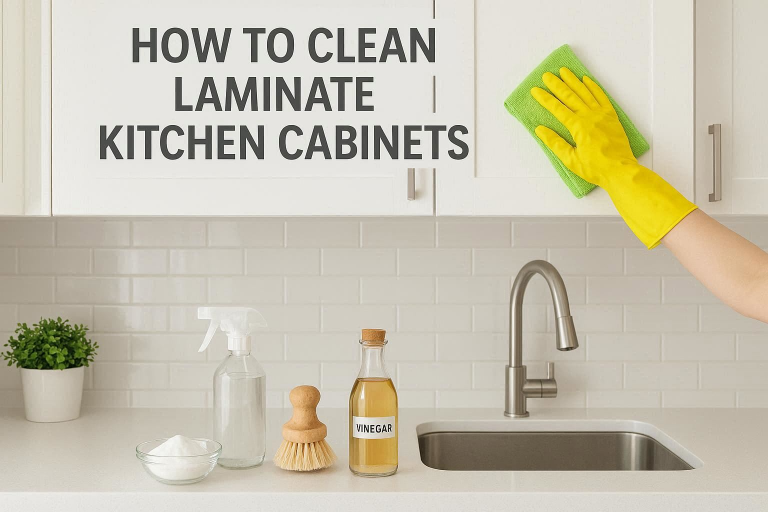
Laminate kitchen cabinets are a popular choice for many modern kitchens. They offer a sleek, stylish look at an affordable price and are known for being durable and easy to maintain. However, just like any surface in your kitchen, laminate cabinets need regular cleaning to keep them looking their best. A little care goes a long way in maintaining the appearance and longevity of these cabinets.
In this blog post, we’ll cover everything you need to know about cleaning laminate kitchen cabinets, from the basic tools and materials you’ll need to step-by-step instructions. We’ll also share tips to help you prevent buildup and keep your cabinets looking fresh for years to come.
Why Cleaning Laminate Kitchen Cabinets is Important
Cleaning your laminate kitchen cabinets regularly is essential for a number of reasons. Whether you’re dealing with splatters from cooking or just everyday dust, maintaining a clean kitchen helps keep everything in working order.
Preserve the Finish and Maintain a Fresh Look
Laminate cabinets are designed to maintain a sleek, shiny finish. However, grease, dirt, and grime can build up over time, dulling their Cleaning and Maintenance Tips appearance. Regular cleaning ensures that your cabinets stay looking fresh and glossy, keeping your kitchen bright and inviting.
Prevent Buildup of Grease, Dirt, and Grime
The kitchen is often the busiest room in the house, and your cabinets are bound to collect grease, fingerprints, dust, and food particles. If left untreated, this buildup can stain the laminate, making it harder to clean later on. By cleaning your cabinets regularly, you can prevent the buildup of grime that can affect their functionality.
Increase the Lifespan of Your Cabinets
When laminate cabinets are properly cared for, they last longer. Regular cleaning removes potentially harmful substances like grease and dirt that can cause damage over time. By preventing scratches, stains, and other forms of wear, you’re investing in the longevity of your cabinets.
Improve the Overall Cleanliness and Hygiene of the Kitchen
A clean kitchen is essential for maintaining a healthy living space. Bacteria and food particles can accumulate on your cabinets, especially if they’re near the Cleaning Guide for Home & Kitchen stove or sink. Keeping your laminate cabinets clean ensures that your kitchen remains hygienic and safe for food preparation.
Tools and Materials You’ll Need for Cleaning Laminate Cabinets
Before you start cleaning, gather the following tools and materials to make the process easier and more efficient:
- Soft Microfiber Cloths or Sponges: These are essential for gently wiping down the surfaces without causing scratches.
- Mild Dish Soap or All-Purpose Cleaner: Choose a non-abrasive cleaner that’s gentle on laminate surfaces.
- Warm Water: Helps to loosen grease and grime, making it easier to clean.
- White Vinegar or Baking Soda (Optional): These natural ingredients are great for deep cleaning or tackling stubborn stains.
- Soft-Bristled Brush or Toothbrush: Useful for cleaning tight corners and hard-to-reach spots, like around handles or the edges of cabinets.
- Dry Towels: To wipe down the cabinets and ensure there are no watermarks or streaks left behind.
Having these tools ready will help you tackle your laminate cabinets effectively and efficiently.
Step-by-Step Guide: How to Clean Laminate Kitchen Cabinets
Now that you have everything you need, it’s time to dive into the cleaning process. Follow these simple steps to ensure your laminate kitchen cabinets stay sparkling clean.
Step 1: Dust and Wipe Down the Cabinets
Before you start applying any cleaners, take a microfiber cloth and dust the cabinet surfaces. This will remove any loose dust or debris that could scratch the laminate when cleaning. It’s important to do this step first to avoid spreading dirt around while you clean.
Step 2: Prepare Your Cleaning Solution
Mix warm water with a small amount of mild dish soap or an all-purpose cleaner. If you need a little extra help with grease or grime, you can add a splash of white vinegar to the mixture. Vinegar is a natural degreaser and works wonders for cutting through kitchen grease without damaging the laminate.
Step 3: Clean the Cabinet Surfaces
Dampen a clean microfiber cloth or sponge in your cleaning solution and begin wiping down the cabinet doors, handles, and trim. Work in small sections, focusing on one area at a time to ensure you cover the entire surface. For tougher areas, like around handles or the edges of the cabinets, you can use a soft-bristled brush to scrub gently.
Step 4: Address Stubborn Stains
If you encounter stubborn stains or sticky spots, you can make a simple cleaning paste using baking soda and water. Apply the paste to the stain and let it sit for a few minutes before gently scrubbing with a soft cloth or brush. Be careful not to scrub too hard, as this could scratch the laminate surface.
Step 5: Rinse and Dry
Once you’ve cleaned all areas, rinse your cloth in clean water and wipe down the cabinet surfaces again to remove any soap residue. After rinsing, dry the surface thoroughly with a clean, dry towel to avoid watermarks and streaks.
How to Clean Laminate Kitchen Cabinets Without Damaging Them
One of the most important things to keep in mind when cleaning laminate cabinets is to avoid using harsh chemicals or abrasive scrubbers. These can scratch the laminate and cause permanent damage.
Avoid Harsh Chemicals
Chemicals like bleach or ammonia can damage the finish of laminate cabinets. Stick to mild dish soap, all-purpose cleaners, or cleaners specifically designed for laminate surfaces.
Use Non-Abrasive Cleaning Agents
Always opt for non-abrasive cleaning products. Abrasive scrubbers, like steel wool or rough sponges, can scratch the laminate and make it look worn over time.
Test Cleaners in a Hidden Spot
If you’re using a new cleaner or product, always test it on a small, inconspicuous area first. This will help ensure that it won’t damage or discolor the laminate.
Tips for Preventing Future Buildup and Keeping Laminate Cabinets Clean
Now that your cabinets are clean, here are a few tips to keep them looking fresh and prevent future buildup:
- Wipe Down Cabinets Regularly: To avoid grease and grime buildup, make it a habit to wipe down your cabinets at least once a week.
- Use Cabinet Liners: Cabinet liners are a great way to catch spills and crumbs, making cleanup much easier.
- Keep Cleaning Products Away from Cabinet Doors: Don’t store cleaning products on your cabinet doors, as they can leak or spill, causing stains or damage.
- Use a Microfiber Cloth for Everyday Maintenance: A microfiber cloth is ideal for removing dust and fingerprints without scratching or leaving streaks.
Best Products for Cleaning Laminate Cabinets
Choosing the right cleaning products is key to maintaining the look of your laminate cabinets. Here are some great options:
- Mild Dish Soap: A classic option that’s gentle on laminate but still effective at cutting through grease and grime.
- Laminate-Specific Cleaners: These are specially formulated to clean laminate surfaces without causing damage.
- Eco-Friendly Products: For an environmentally friendly option, look for eco-friendly all-purpose cleaners that are safe for laminate.
FAQs
How to Clean Laminate Kitchen Cabinets: A Step-by-Step Guide
Can I use a magic eraser on laminate cabinets?
Magic erasers can be effective at removing stains, but they’re slightly abrasive and may scratch the laminate if used too aggressively. It’s always a good idea to test the eraser on a small, hidden spot first.
What should I do if my laminate cabinets have watermarks?
Watermarks can be removed using a mixture of vinegar and water or a laminate-safe cleaner. Be sure to dry the surface thoroughly after cleaning to prevent further watermarks.
Can I use vinegar to clean laminate kitchen cabinets?
Yes! Vinegar mixed with water is an excellent cleaner for laminate surfaces. It helps cut through grease and grime without causing any damage.
How often should I clean my laminate kitchen cabinets?
To keep your cabinets looking great, clean them at least once a month. If your kitchen gets heavy use, or if you have kids or pets, you may want to clean them more often.
How do I remove grease from laminate kitchen cabinets?
Grease buildup can be tricky to remove, but vinegar or a specialized degreaser works well for this. Wipe up grease quickly to prevent buildup and keep your cabinets looking clean.
Conclusion
Cleaning laminate kitchen cabinets doesn’t have to be a complicated process. With the right tools, a gentle cleaning solution, and a bit of regular maintenance, your cabinets will continue to look fresh and beautiful for years to come. Always remember to avoid harsh chemicals and abrasive materials to protect the laminate surface, and follow the steps we’ve outlined to achieve the best results.
With these simple cleaning tips, your laminate cabinets will not only look great but will also last longer, keeping your kitchen looking bright and clean every day!