
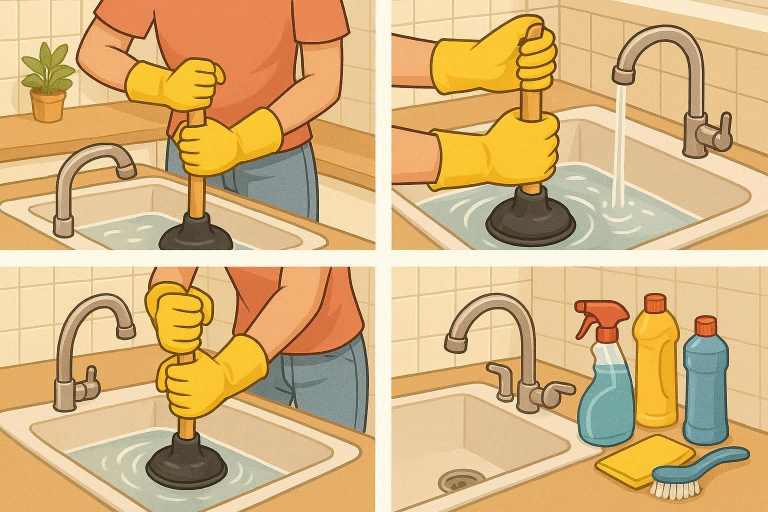
Kitchen sink blockages are a common nuisance that everyone has to deal with at some point. Whether it’s caused by leftover food scraps, grease buildup, or something else entirely, a clogged sink can disrupt your day and even cause unpleasant odors and messy overflow. Fortunately, most kitchen sink blockages can be fixed with a bit of effort and some common household tools.
The key to avoiding severe blockages is regular maintenance and cleaning. In this guide, we’ll walk you through step-by-step instructions on how to clean a kitchen sink blockage, share some DIY tips, and explain when it’s time to call in a professional plumber.
Understanding Kitchen Sink Blockages
Before we dive into the cleaning process, let’s take a moment to understand why kitchen sinks get blocked in the first place.
What Causes Kitchen Sink Blockages?
Kitchen sink blockages usually occur when debris builds up in the drain Cleaning Guide for Home & Kitchen over time. Here are some of the most common culprits:
- Food Scraps: Bits of food left behind after washing dishes are a common cause of clogs. Even if you think you’ve rinsed everything off, tiny scraps can still find their way down the drain and accumulate.
- Grease: Pouring grease or oil down the sink is a major no-no. Once it cools, grease hardens and sticks to the inside of your pipes, creating a sticky sludge that traps food particles.
- Soap: Soap can mix with minerals in the water to form soap scum, which can build up over time and block the drain.
- Hair and Other Debris: Long hair, food wrappers, and other small debris can collect in the sink or garbage disposal, contributing to a blockage.
- Mineral Deposits or Corrosion: Hard water can leave mineral deposits inside the pipes, causing them to narrow and restrict water flow. In more severe cases, old pipes may corrode, leading to clogs.
Signs Your Kitchen Sink Is Blocked
Knowing when you have a blocked sink is easy, especially if you’re aware of the signs. Look out for:
- Slow Drainage: Water takes longer than usual to go down the drain.
- Water Pooling: You notice standing water in the sink.
- Unpleasant Odors: A foul smell emanates from the sink, indicating trapped food debris or rotting organic matter.
Tools and Materials You Need to Clean a Blocked Sink
Before you tackle the blockage, make sure you have the unclog a drain without a plumber right tools. Here are a few essentials that will help:
Plunger
A good old-fashioned plunger is often the first tool you’ll want to try. It works by creating a vacuum that can push the blockage free from the pipe.
- How It Works: The rubber cup of the plunger creates pressure when pushed up and down, loosening whatever is blocking the drain.
- When to Use It: A plunger is effective for most minor clogs, especially those near the drain opening.
Baking Soda and Vinegar
This combination works wonders for cleaning drains naturally. Baking soda helps to scrub away gunk, while vinegar creates a fizzing reaction that loosens debris.
- How It Works: Baking soda and vinegar mix to produce bubbles that help break down grease and grime.
- When to Use It: Use this method when you’re looking for a natural, non-toxic cleaning solution.
Drain Snake (Plumbing Auger)
For more stubborn clogs, a drain snake can reach deep into the pipes and physically clear out the debris.
- How It Works: You insert the snake into the drain, twist it to hook the blockage, and then pull it out.
- When to Use It: When you suspect the clog is deep in the pipes or beyond the reach of a plunger.
Dish Soap and Hot Water
Simple, yet effective, dish soap and hot water can help break down grease and remove smaller debris.
- How It Works: The soap cuts through grease, while the hot water helps flush it down the drain.
- When to Use It: Use it for grease-related blockages or when the clog is relatively small.
Step-by-Step Guide to Cleaning a Blocked Kitchen Sink
Now that you’ve gathered your tools, let’s walk through the steps to clean a kitchen sink blockage.
Step 1: Prepare the Sink Area
Before you begin, make sure the sink area is clear and clean. You don’t want to be working around dishes or dirty water.
- Clear Out Dishes: Remove any dishes, utensils, or food scraps from the sink.
- Drain Water: If there’s standing water in the sink, try to remove it using a cup or small container.
- Protect the Area: Lay down towels or a tray around the sink to catch any mess that might occur during the cleaning process.
Step 2: Try a Simple Plunge
Start with the simplest method – the plunger.
- How to Use a Plunger:
- Submerge the plunger’s rubber cup into the drain opening.
- Create a tight seal by pressing down firmly.
- Begin plunging up and down rapidly, keeping the cup covered with water at all times.
- After several attempts, remove the plunger and check if the water drains.
- Tips for Success:
- Ensure the plunger creates a good seal to maximize pressure.
- Avoid spills by covering nearby openings, such as the overflow drain.
Step 3: Use Baking Soda and Vinegar
If plunging doesn’t do the trick, it’s time for a natural cleaning solution.
- How to Use Baking Soda and Vinegar:
- Pour about half a cup of baking soda down the drain.
- Follow with half a cup of vinegar.
- Let the mixture sit for 15-30 minutes while it fizzes and works on breaking down the blockage.
- Flush with hot water.
The bubbling action will help break down grease and debris, making it easier to clear the drain.
Step 4: Run Hot Water
After using baking soda and vinegar, flush the drain with hot water to clear out any loosened debris. Use water that’s as hot as your tap can produce, but avoid boiling water, as it might damage plastic pipes.
Step 5: Use a Drain Snake (If Necessary)
If the blockage persists, it’s time to use a drain snake.
- How to Use a Drain Snake:
- Insert the end of the snake into the drain and slowly turn it clockwise.
- Keep turning until you encounter resistance (this indicates the blockage).
- Twist and pull to dislodge the debris.
- Carefully remove the snake from the drain and check for improvement.
- What to Do if You Encounter Resistance:
- If the blockage doesn’t clear, try rotating the snake further to break up the clog. If it’s still stuck, it might be time to call a plumber.
Step 6: Check the Drainage
After all your efforts, run water down the drain to check if it flows freely. If the blockage is gone, congratulations! If not, you may need to repeat the steps or consult a professional.
When to Call a Professional Plumber
Sometimes, DIY methods just don’t cut it. Here’s when to call in a plumber:
Persistent or Severe Blockages
If the blockage won’t clear after several attempts, the issue may be deeper in the pipes, requiring professional equipment.
Signs of Serious Pipe Damage
Cracked, broken, or corroded pipes may be contributing to the clog. A plumber can assess and repair any serious damage.
Safety Concerns
If you’ve been using harsh chemical cleaners, or if you’re unsure about handling the situation, it’s best to seek professional help to avoid causing further damage.
Preventing Future Blockages in Your Kitchen Sink
Now that your sink is clear, it’s time to prevent future blockages.
Regular Cleaning Tips
- Use drain screens to catch food scraps before they enter the drain.
- Clean your sink traps regularly to ensure proper water flow.
What Not to Put Down the Sink
- Grease: Never pour grease down the drain. Instead, dispose of it in the trash.
- Coffee Grounds: Coffee grounds can form sludge and create clogs.
- Large Food Scraps: Always scrape your dishes before washing them.
Routine Maintenance with Baking Soda and Vinegar
Every few months, pour baking soda and vinegar down the drain to keep it fresh and prevent clogs from forming.
FAQs
How do I know if my kitchen sink is clogged or just slow?
A slow drain indicates a partial blockage, while a completely clogged sink will have standing water that doesn’t drain.
Can I use chemical drain cleaners for a blocked kitchen sink?
While chemical cleaners can be effective, they often damage pipes over time. Use them as a last resort.
Why does my kitchen sink keep getting blocked?
Recurring blockages can be caused by improper disposal of food, grease, or hair, or due to mineral buildup in the pipes.
Can I fix a blocked sink without a plunger or drain snake?
Yes, baking soda and vinegar or dish soap and hot water can often fix minor clogs.
How often should I clean my kitchen sink drain to prevent blockages?
Clean your sink drain at least once every few months to prevent buildup.
Conclusion
A blocked kitchen sink doesn’t have to ruin your day. By following the steps outlined above, you can clear most blockages on your own, saving time and money. Remember to practice regular maintenance to prevent future clogs, and don’t hesitate to call a plumber if you encounter serious problems. A little care and attention go a long way in keeping your kitchen sink running smoothly.