
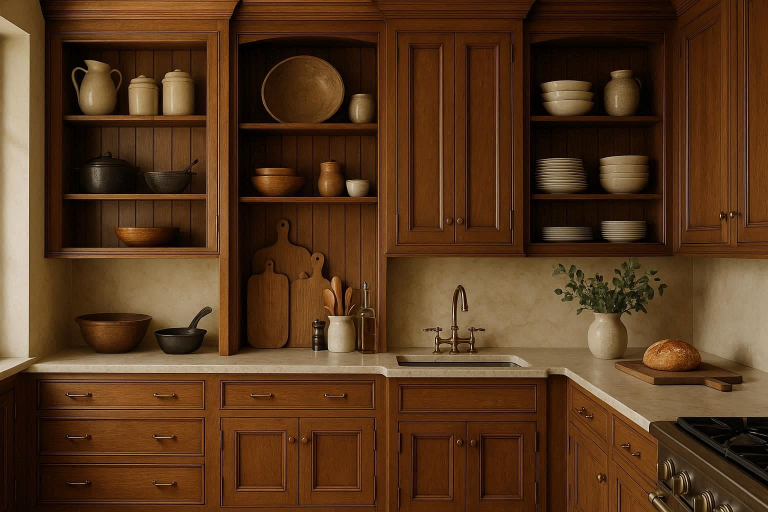
Hey there, fellow kitchen enthusiast! If you’ve ever stood on your tiptoes to grab that elusive bag of pasta from the top shelf or bent over so far you felt like a human pretzel to reach the mixing bowls, you know the struggle. Kitchen cabinet height isn’t just a nitpicky detail—it’s the unsung hero (or villain) of your daily cooking routine. Getting it right can transform your space from a frustrating fumble zone into a smooth, stylish haven where meals get made with ease and flair.
Why does cabinet height matter so much? Think about it: your kitchen is where functionality meets design. The wrong height can cramp your style, waste precious space, or even lead to backaches that linger longer than your famous lasagna. On the other hand, achieving the perfect proportions boosts efficiency, enhances aesthetics, and makes every chop, stir, and bake feel effortless. Whether you’re renovating, building from scratch, or simply daydreaming about your dream kitchen, understanding standard kitchen cabinet heights and when to opt for custom is key to optimizing your space. In this guide, we’ll delve into the basics, explore customization options, and share expert tips to help you avoid common pitfalls. By the end, you’ll be equipped with the knowledge to create a kitchen that’s as practical as it is Visually Appealing. Let’s get cooking!
Standard Kitchen Cabinet Heights
When it comes to kitchen cabinet heights, standards exist for a reason—they have been battle-tested by builders, designers, and home cooks worldwide. These measurements provide a reliable starting point, ensuring cabinets fit seamlessly into most layouts while accommodating countertops, appliances, and everyday reach. But don’t worry; we’ll unpack the details with real-world examples to make it crystal clear.
Base Cabinet Height: The Foundation of Your Kitchen
Base cabinets, those sturdy workhorses that sit on the floor and support your countertops, typically clock in at 34.5 inches tall (not including the countertop itself, which adds another 1.5 inches or so). This height strikes a Cleaning Guide for Home & Kitchen sweet spot for most adults: high enough to keep your back happy during prep work, but low enough for stability.
Why 34.5 inches? It’s rooted in ergonomics—countertops end up around 36 inches from the floor, the gold standard for comfortable chopping and mixing. In the U.S. and Canada, this is the go-to option, but variations emerge elsewhere. For instance, in Europe, base cabinets typically measure around 34 inches to align with slightly different countertop norms, while in Australia, you may see 35 inches for a tad more legroom under the counters.
Picture this: Sarah, a busy mom in Chicago, opted for standard 34.5-inch bases in her galley kitchen. It meant her kids could help with simple tasks like setting out ingredients without needing a step stool every time. But if you’re in a historic home with uneven floors, that half-inch can make all the difference in leveling things out. Pro tip: Always factor in your flooring thickness—tile adds bulk, while hardwood might not.
Wall Cabinet Height: Reaching New Levels of Storage
Wall cabinets, those floating saviors of counter space, come in standard heights of 30, 36, or 42 inches. Installed about 18 inches above the countertop (to allow for elbow room), they cater to different ceiling heights and user preferences.
A 30-inch wall cabinet is ideal for compact kitchens or shorter folks—think apartments where every inch counts. It keeps essentials like spices and glasses within easy grasp without dominating the wall. Bump it to 36 inches for a balanced look in average 8-foot ceilings; this is the most popular choice, offering solid storage without feeling overwhelming. At 42 inches, you’re maximizing vertical space, perfect for taller users or open-concept designs where you want to showcase your collection of vintage mugs.
Take Mike, a home chef in Seattle with 9-foot ceilings. He went with 42-inch uppers and raved about how it freed up his bases for bulkier pots. In contrast, in the UK, where ceilings skew lower, 30-inch walls are more common to avoid a claustrophobic vibe. These heights aren’t set in stone—they flex with your layout, ensuring your kitchen flows like a well-rehearsed dance.

Tall Cabinets (Pantry & Utility): Going Vertical for Big Wins
For those “everything but the kitchen sink” storage needs, tall cabinets—often 84 to 96 inches high—step in as pantry powerhouses or utility hideaways. These floor-to-ceiling units (minus a smidge for crown molding) are a game-changer in modern kitchens, especially islands or corners begging for organization.
An 84-inch tall cabinet suits standard 8-foot ceilings, providing pull-out shelves for dry goods or broom closets without scraping your head. Stretch to 96 inches for vaulted spaces, and you’ve got room for lazy Susans loaded with canned tomatoes or even built-in appliance garages. In regions like Scandinavia, where minimalist design reigns, 90-inch averages are popular for their sleek, seamless lines.
Remember Lisa’s pantry makeover in Austin? Swapping a chaotic closet for an 84-inch tall cabinet meant her family could alphabetize spices and stock up on snacks without the avalanche effect. These heights optimize space in tight quarters, turning what could be dead air into dynamic storage that keeps your kitchen humming.
Customizing Cabinet Height: When and Why You Should Consider It
Standards are great, but life’s not one-size-fits-all—neither should your cabinets be. Customizing kitchen cabinet height lets you tailor your space to your quirks, boosting comfort and joy in the heart of your home. Let’s chat about when to tweak those measurements and the perks that come with it.
Adjustable Heights for Different Users
One size rarely fits everyone, especially in shared kitchens. Custom heights shine when accommodating varied statures—say, a household with a 5’2″ grandma and a 6’4″ teen athlete. Lowering base cabinets to 33 inches or raising wall uppers to 45 inches can make all the difference.
For example, in a multi-generational home I visited (virtually, via design forums), the family customized wall cabinets to 32 inches for the kids’ reach zone, stocking it with kid-safe snacks. Taller users might opt for 38-inch bases to avoid stooping, ensuring pots and pans are at hip level. It’s all about inclusivity: adjustable internals like pull-down shelves add flexibility, so one cabinet serves multiple masters without compromise.
Ergonomics and Kitchen Workflow
Ever notice how a poorly placed shelf turns meal prep into a workout? Custom heights prioritize ergonomics, reducing strain on your back, shoulders, and wrists. The goal? A workflow where everything’s within the “golden zone”—waist to shoulder height for frequent grabs.
Consider ergonomics expert Dr. Emily’s advice: Aim for 60% of your storage in that zone. Customizing to 35-inch bases for avid bakers means kneading dough without hunching. In a pro kitchen remodel for chef Alex, raising utility cabinets to 90 inches kept heavy mixers off the floor, streamlining his assembly line. The result? Less fatigue, more focus on flavor. It’s not luxury; it’s smart living that pays dividends in comfort over years.
Impact on Kitchen Aesthetics
Height isn’t just functional—it’s a design darling. Custom cabinets can create visual rhythm, like staggered wall heights (30 inches on one run, 36 on another) for a dynamic, gallery-like wall. In a sleek modern kitchen, floor-to-ceiling 96-inch talls in matte black draw the eye upward, making the room feel grander.
Jenna’s coastal reno used 42-inch uppers with glass fronts at varying heights, echoing ocean waves for a whimsical flow. Done right, customization elevates aesthetics without sacrificing usability, turning your kitchen into a space that whispers (or shouts) your personal style.

How Cabinet Height Affects Your Kitchen Design
Your cabinets don’t exist in a vacuum—they’re the backbone of your kitchen’s design narrative. Height choices ripple through proportions, storage smarts, and style decisions, shaping how the space feels. Let’s explore these interconnections with some eye-opening examples.
Ceiling Height and Cabinet Proportions
High ceilings? Low ones? Cabinet height is your secret weapon for balance. In a 10-foot vaulted kitchen, standard 84-inch talls might leave awkward gaps—custom 108-inch versions fill it beautifully, creating harmony. Conversely, in bungalows with 7-foot ceilings, capping at 72 inches prevents a top-heavy trap.
Visualize Tom’s loft: 9-foot ceilings begged for 42-inch walls, proportioned to “hug” the space without overwhelming. Designers use the rule of thirds—divide wall height into three for ideal cabinet placement. It’s like dressing your room: the right “fit” flatters, making compact kitchens soar and lofty ones cozy.
Storage Efficiency: The Trade-Off Between Height and Accessibility
Taller cabinets = more storage, right? Not always. A 96-inch pantry might hoard holiday dishes, but if you can’t reach the top third without a ladder, it’s wasted potential. Balance height with access: deep drawers at base level for heavies, swing-out trays for mids, and lighted pull-downs for uppers.
In Maria’s urban galley, opting for 36-inch walls over 42 maximized efficiency—every shelf was reachable, boosting usable space by 20%. The key? Audit your habits: Daily spices low, seasonal gear high. Height decisions here aren’t about hoarding; they’re about harvesting every cubic inch wisely.
Open Shelving vs. Closed Cabinets
Height sways this classic debate. Shorter 30-inch walls pair perfectly with open shelving, inviting display of artisanal bowls for a farmhouse charm. Taller 42-inch closed cabinets, though, suit dust-prone or clutter-heavy homes, hiding the chaos while amplifying clean lines.
Envision Rachel’s eclectic kitchen: 36-inch hybrid—open lower for books, closed upper for gadgets. Height dictates visibility; lower profiles encourage curation (bye, mismatched mugs), while heights invite enclosure for serenity. Choose based on your vibe: Show off if you’re a collector; conceal if life’s too hectic.
Measuring and Installing Cabinets: Key Considerations
Dream design meets reality in the measuring and install phase. Skimp here, and your perfect heights become a pricey headache. Let’s break it down with straightforward steps and stories from the trenches.
How to Measure for Proper Cabinet Height
Start simple: From finished floor to ceiling, note every dip and bump. For bases, measure 34.5 inches up, subtracting appliance toe-kicks (usually 4 inches). Walls? 54 inches from counter to bottom edge, then add your chosen height.
DIY pro: Use a laser level for accuracy—old-school tape measures lie on uneven floors. In Elena’s reno, ignoring a 1-inch slope meant refits; lesson learned, she double-checked with plumb lines. Factor appliances too: Dishwashers need 34-inch bases for flush fits. Snap photos, sketch it out—precision pays.
Installation Tips: Best Practices for Height
Level ground? Check. Shim as you go—thin wood wedges under bases ensure plumb alignment. Secure walls first for a sturdy frame, then bases. For heights, mock up with cardboard templates to visualize.
Contractor Carlos swears by starting at the highest point and working down—this avoids cascading errors. In high-humidity areas like Florida, acclimate cabinets for 48 hours prior to installation to prevent warping. Tools like cabinet jacks lift heavies solo; safety first, always.
Leveling and Adjustments
Uneven? You’re not alone—90% of homes settle. Use a 4-foot level across joints; adjust shims till bubble’s centered. Fine-tune doors post-install for seamless heights.
Post-install tweak: Soft-close hinges at custom heights prevent slams. In my buddy’s build, post-level checks caught a 1/4-inch drift, saving aesthetics. It’s tedious but transformative—level cabinets = lasting love for your space.
Common Mistakes When Choosing Cabinet Height
Even pros slip up, but you don’t have to. Here’s the dirt on pitfalls that turn kitchen dreams sour, with fixes to keep yours flawless.
Ignoring Kitchen Workflow
Aesthetics over function? Big no. Pretty 42-inch walls look fab but flop if your workflow zigzags—reaching mid-chop kills momentum. Example: Glam kitchen with high bases left a wheelchair user stranded; solution? Workflow mapping first.
Audit paths: Sink-stove-fridge triangle thrives on reachable heights. Prioritize flow—your sanity (and soufflés) will thank you.
Not Considering the User’s Height
One-height-fits-some? Recipe for regret. Standard suits averages, but outliers suffer—shorties strain, tallies stoop. Survey users: Custom lowers for wee ones, extenders for giants.
In a family flip, ignoring the petite cook meant stools everywhere; hindsight customized to 33-inch bases. Measure elbows, not egos—fit the human, not the trend.
Underestimating Storage Needs
Eyeballing height sans inventory? You’ll outgrow it fast. A 30-inch wall seems ample till holiday gear overflows. Calculate: Cubic feet needed vs. offered, factoring access.
Overachiever error in Ben’s build—96-inch talls, but no internals meant top-shelf tombs. Plan modular: Lazy Susans, dividers. Maximize, don’t mourn unused space.
FAQs
What is the most common height for kitchen cabinets?
Base cabinets typically measure 34.5 inches, and wall cabinets are usually 30, 36, or 42 inches high.
Can I have taller kitchen cabinets if I have a high ceiling?
Yes, custom cabinetry can be designed for taller ceilings to maximize storage and aesthetic appeal.
Are there standard heights for kitchen cabinets?
While there are standard heights, many cabinets can be customized to fit your specific needs and kitchen layout.
How do I know if my cabinets are the right height for me?
Assess your ergonomic needs—ensure you can easily reach the upper shelves without straining.
Is there a height difference for base cabinets in different countries?
Yes, different regions might have slight variations, such as in Europe where base cabinets might be slightly shorter.
Wrapping It Up: Elevate Your Kitchen with the Right Height
There you have it—your roadmap to mastering kitchen cabinet heights, from tried-and-true standards to savvy customizations that blend form, function, and flair. Remember, the magic happens when aesthetics dance with practicality: Proportioned designs that store smart, install seamlessly, and sidestep those workflow woes.
As you ponder your next kitchen tweak, ask yourself: Does this height spark joy and ease? Chat with a designer, measure twice, and dream big. Your perfect perch awaits—may it inspire epic feasts and zero tiptoe tragedies. What’s your cabinet conundrum? Drop it in the comments; let’s kitchen-talk!