
Ninja BL660—my pick for the best blender for pesto: powerful, precise, and consistent results.
I love pesto but hated gritty, uneven batches. I needed a blender that crushes pine nuts, ribbons basil, and keeps olive oil silky without heating the herbs. A good blender for pesto makes sauce bright, not bruised. It saves time and keeps texture perfect for pasta, sandwiches, and frozen pesto cubes.

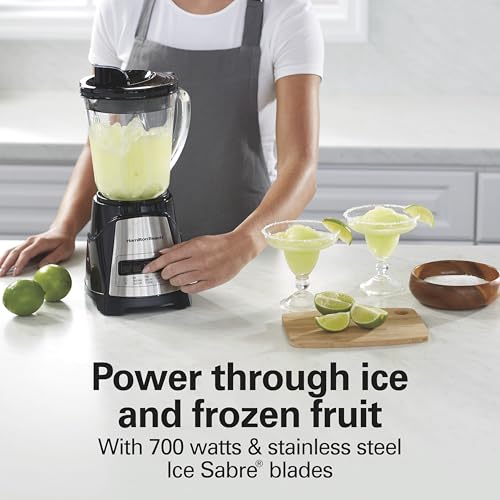
Hamilton Beach Power Elite Wave…
POWERFUL BLENDING PERFORMANCE: With 700 watts of peak blending power and stainless steel Ice Sabre blades, this protein shake blender gives you all the power you need to make smoothies,…

Dash Salt-Free Pasta Seasoning Blends,…
All the pesto vibes without the hassle Packed with garlic, onion, and Egyptian basil, this blend gives your pasta that rich, garlicky flavor Mix with Olive Oil to create delicious,…

BLACK+DECKER PowerCrush Multi-Function Blender with…
4-Tip QuadPro Blade Technology – The 4-tip stainless steel blending blade works with the shape of the jar to create a constant flow and vortex that leads ingredients directly to…
Hamilton Beach Power Elite

I bought the Hamilton Beach Power Elite to make everyday sauces. It has a 40 oz glass jar that feels sturdy. The 700-watt motor handles nuts and ice at a budget price. Controls are simple and easy to clean.
For pesto, it gives a decent chop without smashing herbs into mush. The jar shape uses wave action to pull ingredients down. It can make small batches, though very smooth pesto may need pulsing. I liked the value for casual cooks.
Pros:
- Affordable and accessible for home cooks
- Glass jar doesn’t retain odors or stains
- Wave action helps mix ingredients evenly
- 700W motor that handles pine nuts and ice
- Simple controls for consistent pulsing
Cons:
- Can overheat with long blending
- Less control for silky, restaurant-style pesto
- Jar size may be large for tiny batches
My Recommendation
I recommend the Hamilton Beach Power Elite if you want a reliable, budget blender for pesto. It fits cooks who make pesto occasionally and value easy cleanup. It handles nuts and herbs well but won’t match pro-level smoothness. For the best blender for pesto overall, consider higher-wattage options if you make pesto often.
| Best for | Why |
|---|---|
| Budget cooks | Solid performance at a low price |
| Occasional pesto makers | Easy to use and clean |
| Home kitchens | Durable glass jar, stable base |
Dash Garlic Pesto Seasoning

This Dash Garlic Pesto seasoning is not a blender but a shortcut I use in tight minutes. It brings a garlic-basil flavor without fresh basil. I keep it as a backup when I run out of herbs. It’s salt-free and mixes well into oil or yogurt.
When I want fast pesto spread on toast or pasta, a spoonful of this seasoning plus olive oil does the trick. It won’t replace fresh pesto texture. But it saves time and helps when a blender is not handy. It pairs well with fresh or blanched greens too.
Pros:
- Quick and easy way to add pesto flavor
- Salt-free formula for flexible seasoning
- Long shelf life, great pantry backup
- Blends well into oils and dressings
- Good for sandwich spreads and quick pasta
Cons:
- Cannot match fresh basil aroma and texture
- Not a substitute for real pesto in recipes
- Limited to flavoring, not a full sauce
My Recommendation
I suggest Dash Garlic Pesto seasoning as a handy companion to your blender for pesto. Use it when fresh basil is missing or when time is tight. It won’t replace the best blender for pesto, but it makes a good, fast fix. Keep a jar in the pantry for emergencies or travel.
| Best for | Why |
|---|---|
| Busy cooks | Instant pesto flavor without prep |
| Travel or camping | Lightweight and shelf-stable |
| Low-sodium diets | Salt-free, control seasoning |
BLACK+DECKER PowerCrush
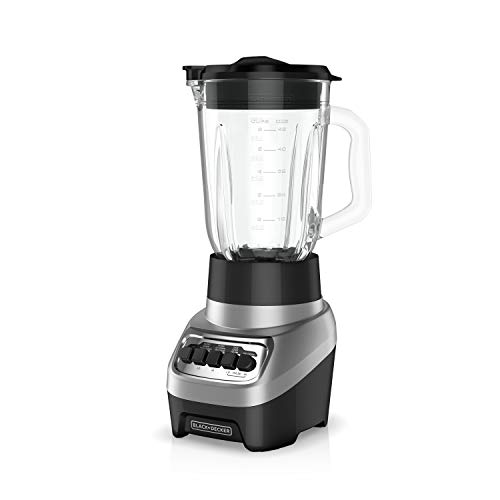
The BLACK+DECKER PowerCrush is a step up in blade tech for nutty sauces. It has a 6-cup glass jar and multiple speeds. The “PowerCrush” blade geometry squeezes more texture out of ingredients. It is user friendly and easy to store.
I use it for pesto when I want coarse or medium texture. It chops pine nuts and parmesan cleanly. The glass jar helps prevent flavor carryover. For many cooks, it hits the sweet spot of power and price.
Pros:
- PowerCrush blades for better chopping
- Glass jar keeps flavors pure
- Multiple speeds for texture control
- Large capacity for family-sized batches
- Affordable for the features offered
Cons:
- Can struggle with ultra-fine, silky pesto
- Base is slightly bulky in small kitchens
- Limited professional features
My Recommendation
I recommend the BLACK+DECKER PowerCrush for cooks who want a reliable blender for pesto without breaking the bank. It delivers better chopping and control than basic models. If your goal is consistent texture for pasta nights, this blender is a smart choice. It won’t replace the best blender for pesto in pro kitchens, but it does very well at home.
| Best for | Why |
|---|---|
| Families | Large jar for batches |
| Home cooks | Good power and blade design |
| Value seekers | Features at an affordable price |
Ganiza 900W Personal Blender
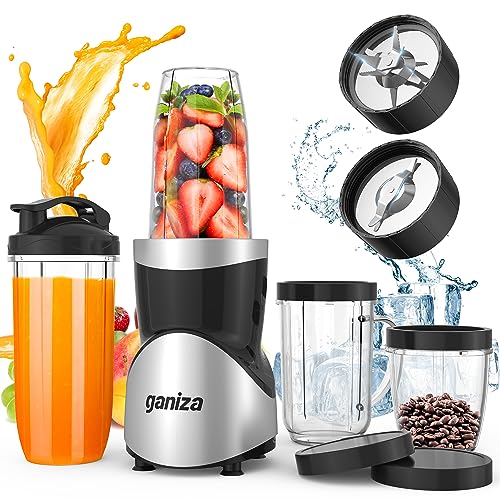
The Ganiza 900W blender surprised me with its power in a compact kit. It comes with multiple cups and a grinder. The motor is strong for a personal model and handles nuts and seeds. Cleanup is fast thanks to detachable cups and parts.
For pesto, it makes quick single-serve batches that stay fresh. I like that each cup doubles as a travel container. The motor does a fine job of pulsing basil and nuts. It’s a great option if you make pesto in small batches daily.
Pros:
- High power for a personal blender (900W)
- Comes with multiple BPA-free cups
- Easy to clean and store components
- Good for single-serve pesto batches
- Affordable multi-piece set
Cons:
- Not ideal for large batches
- Short motor duty cycle with heavy use
- Plastic cups may stain with pesto over time
My Recommendation
I recommend the Ganiza 900W if you make pesto for one or two people most days. It blends quickly and stores well in the included cups. This is a solid choice when you want the best blender for pesto in a compact form. For frequent large batches, look at full-size blenders.
| Best for | Why |
|---|---|
| Singles or couples | Perfect single-serve capacity |
| Active users | Fast blends and portable cups |
| Small kitchens | Compact storage footprint |
Ganiza Immersion 5-in-1

The Ganiza immersion blender is a versatile tool for quick pesto jobs. It has a 1000W motor and many attachments. I used the chopper cup to pulse basil and nuts with control. The whisk and frother are handy extras for other kitchen tasks.
Immersion blenders keep pesto work in a single container. I like that I can make pesto in my mixing beaker and pour immediately. The blade is stainless steel and cleans fast. It’s great for small to medium batches and for cooks who value tool flexibility.
Pros:
- Powerful 1000W motor for a hand blender
- Multiple attachments for varied tasks
- Good control for coarse or fine pesto
- Compact and easy to store
- Fast cleanup and dishwasher-safe parts
Cons:
- Hand fatigue with longer blending tasks
- Chopper cup capacity is limited
- Not as smooth as high-end countertop blenders
My Recommendation
I recommend the Ganiza immersion if you want a flexible tool for pesto and more. It gives control and power in a small package. For the best blender for pesto in small batches, an immersion model like this is very handy. It’s particularly good for cooks who hate extra dishes.
| Best for | Why |
|---|---|
| Small batch makers | Blend right in the cup or pot |
| Multi-tool seekers | Attachments for many jobs |
| Compact kitchens | Easy storage and cleanup |
Elite Gourmet Hand Blender
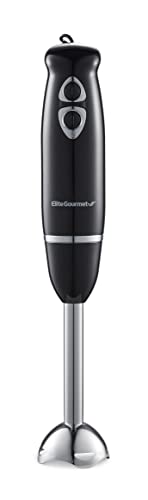
The Elite Gourmet hand blender is a simple 500W stick blender. It’s light and easy to hold. I use it for quick pesto when I want coarse texture. Detachable wand makes it easy to rinse after use.
It’s not the most powerful option. But it saves time and space. For a quick batch of pesto to toss with warm pasta, it works fine. It’s also great for soups and baby food.
Pros:
- Lightweight and easy to maneuver
- Detachable wand for simple cleaning
- Good for quick, small pesto batches
- Affordable entry-level option
- Works well in pots and bowls
Cons:
- Limited power for hard nuts
- Not ideal for very smooth pesto
- Basic controls, no speed dial
My Recommendation
I suggest the Elite Gourmet stick blender for those who want a cheap, space-saving tool for pesto. It fits small kitchens and occasional pesto work. If you want the best blender for pesto texture and power, a full-size or high-watt immersion model may be better. Still, this is a handy and low-cost option.
| Best for | Why |
|---|---|
| Small kitchens | Compact and easy to store |
| Occasional users | Quick single-batch pesto |
| Budget buyers | Low upfront cost |
Ninja BL660 Professional
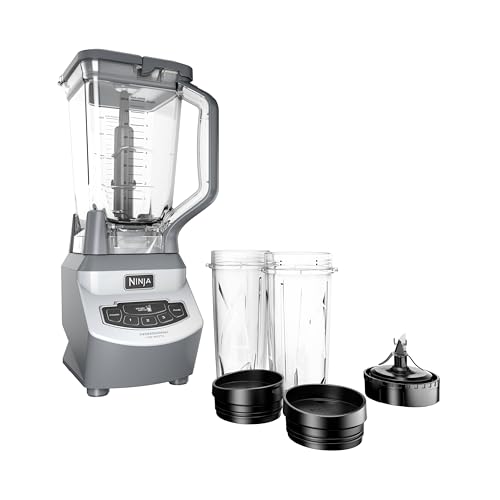
The Ninja BL660 is my top pick for the best blender for pesto in many kitchens. It has 1100 watts and strong blades that crush nuts and weld flavors quickly. I used it for both coarse and silky pesto with great results. The large 72-oz pitcher handles big batches easily.
The motor stays cool and runs smoothly during long pulses. It has to-go cups for quick single servings. For pesto, its power preserves color and prevents warming that can dull basil taste. This is why I often reach for the Ninja when I want consistent, restaurant-style pesto at home.
Pros:
- 1100W motor for reliable power
- Large pitcher for batch cooking
- Offers coarse and smooth textures with control
- Stays cool for longer blending sessions
- To-go cups add versatility
Cons:
- Pitcher is large for single-serve use
- Blades are aggressive; careful with small batches
- Some models are noisy at full power
My Recommendation
I recommend the Ninja BL660 as the best blender for pesto for home chefs who want power and versatility. It makes bright, consistent pesto without heating the herbs too much. If you make pesto regularly or in large batches, this blender delivers top value and texture. It’s my go-to when I need smooth, vibrant pesto fast.
| Best for | Why |
|---|---|
| Regular pesto makers | Power and large capacity |
| Batch cooks | Handles family-sized portions |
| Versatile kitchens | To-go cups and multi-use |
1800W 28000 RPM Countertop Blender

This 1800W countertop blender is a heavy hitter for pesto. With high RPMs and a large jar, it can make very smooth pesto quickly. I found it excels with hard ingredients like whole nuts and frozen herbs. It also offers timers and speed settings for control.
It makes restaurant-smooth pesto without warming the basil if you pulse right. The powerful blades also liquefy oil into a silky emulsion. If you want pro-level texture, this blender is one of the top contenders for the best blender for pesto in home kitchens.
Pros:
- High power and speed for ultra-smooth pesto
- Large capacity for big batches
- Built-in timer and presets for repeatable results
- Strong blades handle hard nuts easily
- Includes to-go cup for convenience
Cons:
- Higher cost than basic blenders
- Large footprint in small kitchens
- May be louder than lower-watt units
My Recommendation
I recommend the 1800W 28000 RPM blender for cooks who want the best blender for pesto texture and speed. It’s ideal if you make pesto often or for larger groups. It gives smooth, even sauce without excess heat when used properly. Expect pro-level results and a bit more counter space use.
| Best for | Why |
|---|---|
| Frequent pesto makers | Power for repeated batches |
| Entertainers | Large capacity for guests |
| Pro-style results | High RPM and precise control |
FAQs Of best blender for pesto
Do I need a high-watt blender to make pesto?
Not always. I use 500–700W models for small batches and they work. But an 800–1100W or higher blender makes smoother, more consistent pesto and handles nuts better. Choose power based on how often you make pesto and batch size.
Is an immersion blender good for pesto?
Yes. I like immersion blenders for quick, small pesto. They let you blend in a cup or bowl and clean up fast. For very smooth, silky pesto, a powerful countertop blender may do better.
How do I keep pesto bright and green when blending?
I blend quickly and pulse instead of running the motor continuously. I use chilled basil, cold olive oil, and stop if the mixture warms. Short bursts and scraping the sides help keep color and fresh flavor.
Can I use a food processor instead of a blender for pesto?
Yes. Food processors make excellent, authentic pesto texture. They give more control and avoid overworking the herbs. The best blender for pesto often works like a food processor in pulse mode.
How much oil should I add when blending pesto?
I add oil slowly while blending until the texture is right. Start with about 1/3 cup for a cup of basil and more if you want looser sauce. Adding oil gradually helps emulsify and control texture.
Final Verdict: Which Should You Buy?
If you want the best blender for pesto that combines power, control, and value, the Ninja BL660 is my top pick. It makes bright, smooth pesto fast and handles both small and large batches well.
For tight budgets, Hamilton Beach or BLACK+DECKER deliver good results. Choose an 800W+ model if you want pro-like texture and long-term reliability.