
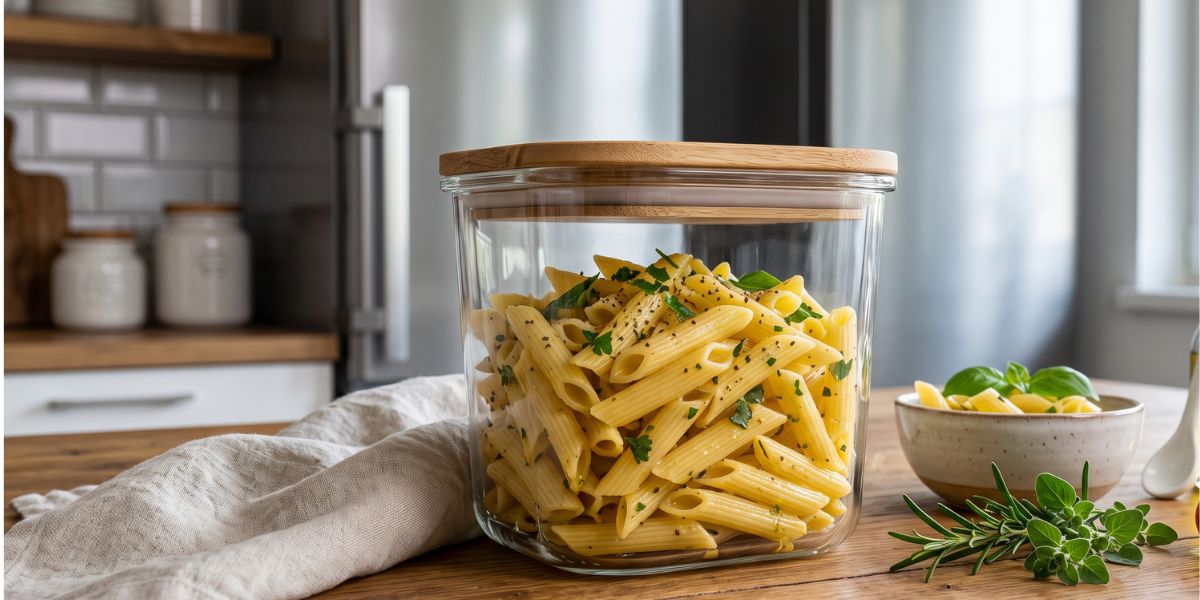
If you are asking, how long can I keep cooked pasta in the fridge, the safest short answer is this: about 3 to 4 days when it is stored properly. That is the best rule to follow for plain pasta, pasta with sauce, and most pasta leftovers. If your pasta contains meat, seafood, eggs, or cream, it is smart to stay on the cautious side and use it sooner rather than later.
That answer may sound simple, but a lot depends on how the pasta was handled after cooking. Pasta that was cooled quickly, packed in a clean airtight container, and refrigerated soon after dinner will last longer and taste better than pasta left out on the stove for hours. Good storage is not only about flavor. It is also about safety. Leftovers can spoil fast when they sit in the temperature danger zone too long, and spoiled pasta can lead to stomach upset or foodborne illness.
The good news is that cooked pasta is easy to store well. A few small habits make a big difference. Cool it down promptly, refrigerate it within two hours, keep your fridge cold, and reheat only what you plan to eat. In home kitchens, that simple routine is usually enough to keep pasta fresh, tasty, and safe for the next meal.
How Long Can Cooked Pasta Stay in the Fridge?
For most home cooks, the best rule is to keep cooked pasta in the fridge for 3 to 4 days. That is the safe window most experts give for leftovers. After that, the risk goes up, even if the pasta still looks fine.
Plain pasta and pasta with sauce do not always age at the same rate. Plain noodles often keep their texture a little better because there is less moisture from sauce. But that does not mean they should stay in the fridge much longer. Sauced pasta can still be safe for the same general window if it was stored correctly. The bigger issue is what is in the sauce.
Here is a practical way to think about it:
- Plain cooked pasta: usually safe for about 3 to 4 days
- Pasta with tomato sauce: also about 3 to 4 days
- Pasta with cream sauce: best eaten sooner within that window
- Pasta with meat or seafood: use quickly and do not push the timeline
Many people online say cooked pasta can last 5 days. In real life, some leftovers may still look okay on day 5. But if you want the safer answer for a blog post that readers can trust, 3 to 4 days is the better guideline. It is more conservative, and it matches official leftover advice more closely.
Another thing to remember is that the clock starts when the pasta is first cooked, not when you remember to put it in the fridge. If pasta sat out for too long before being stored, the fridge does not reset its safety.
So if you are still wondering, how long can I keep cooked pasta in the fridge, think in terms of 3 to 4 days, not nearly a week. That answer protects both quality and safety.
How to Store Cooked Pasta Properly
How you store pasta matters just as much as how long you keep it. Good storage helps the pasta stay moist, prevents it from drying out, and reduces the chance of bacteria growing too fast.
Start by letting the Best Kitchen Appliances for Small Homes pasta cool slightly. You do not want it sitting out for a long time, but you also do not need to wait until it is ice cold. Once the steam settles down a bit, move it into storage containers.
Use a clean airtight container. This helps keep out extra moisture, odors, and contamination from other foods in the fridge. If you made a large batch, divide it into smaller portions. Smaller portions cool faster and are easier to reheat later.
Here are the best storage steps:
- Refrigerate cooked pasta within 2 hours of cooking
- If the room is very hot, refrigerate even sooner
- Use shallow or smaller containers for faster cooling
- Keep your fridge at 40°F (4°C) or below
- Label the container with the date
If you are storing plain pasta, a light toss with a small amount of olive oil can help reduce sticking. Do not drown it in oil, though. Too much oil can make sauce slide off when you reheat it later.
For sauced pasta, store it with the sauce if you plan to eat it soon. The pasta can absorb flavor and stay more tender. If you know you are meal prepping for a few days, sometimes it is better to store plain pasta and sauce separately. That keeps the texture from getting too soft.
One common mistake is putting a huge pot of hot pasta straight into the fridge. Large, dense containers cool slowly. A better method is to spread the leftovers into several smaller containers. That cools the food faster and more evenly.
Another common mistake is covering pasta too late. If it sits open for too long, it can dry out and pick up odors from the fridge. Once the pasta has cooled slightly and is portioned out, seal it well.
Proper storage is the reason one container of leftover pasta still tastes great on day three while another turns sticky, mushy, or questionable by the next day.
Does Sauced Pasta Last as Long as Plain Pasta?
Not always. The shelf life of pasta depends a lot on what is mixed into it.
Plain cooked pasta
Plain pasta is the simplest type to store. It has fewer ingredients, so there are fewer things that can spoil quickly. In general, plain pasta lasts around 3 to 4 days in the fridge if handled well.
Texture is usually the main issue. By day three or four, plain noodles may start to dry out, clump together, or become chewy. That is a quality issue more than a safety issue, but it still affects whether leftovers are worth eating.
Pasta with tomato-based sauce
Tomato-based pasta often holds up well. Marinara, arrabbiata, and similar sauces usually reheat better than cream sauces. The acidity in tomato sauces can help with flavor stability, but you should still follow the same basic leftover timeline. Aim to eat it within 3 to 4 days.
Pasta with cream-based sauce
Cream sauces are usually less forgiving. Alfredo, carbonara-style dishes, cheesy sauces, and creamy vodka sauces often separate in the fridge and can spoil faster in practice. They may still fall under the general leftover Cooked Pasta Really Last window, but for best results, eat them early. The flavor and texture drop off quickly, and dairy-heavy dishes are not the leftovers most people should push to the limit.
Pasta with meat or seafood
This is where caution matters most. Pasta with chicken, beef, sausage, shrimp, crab, or other seafood should be treated like any protein-rich leftover. These dishes can spoil faster, especially if they were left out too long before chilling. If your pasta contains meat or seafood, the safer move is to eat it within the first few days and never ignore signs of spoilage.
Pasta salads and cold pasta dishes
Cold pasta salads are a separate case. If they contain mayonnaise, dairy, eggs, tuna, or cut vegetables, they can become risky more quickly if left out at room temperature. They should be handled carefully from the start and discarded if they sat out too long.
So, does sauced pasta last as long as plain pasta? Sometimes yes, sometimes no. The safest answer is that ingredient-heavy pasta dishes need more caution, especially when dairy, meat, seafood, or eggs are involved.
How to Tell If Cooked Pasta Has Gone Bad
The hardest part about leftovers is that spoiled food does not always look dramatic. Sometimes the warning signs are obvious. Sometimes they are subtle. That is why it is important to check both the age of the pasta and its condition.
Here are the most common signs cooked pasta has gone bad:
1. Sour or strange smell
Fresh leftover pasta should smell mild, savory, or like the sauce it was cooked with. If it smells sour, fermented, musty, or just “off,” do not eat it.
2. Slimy or sticky texture
Some pasta naturally feels soft, but spoiled pasta often develops a slippery or slimy coating. That is a major warning sign. If the noodles feel oddly wet, sticky, or gummy in a way they did not before, throw them out.
3. Mold or discoloration
Any mold means the pasta is done. Green spots, white fuzz, or unusual dark patches are clear signs of spoilage. The same goes for major color changes in the sauce.
4. Bad taste
A strange taste can signal spoilage, but you should not rely on taste-testing suspicious leftovers. If the pasta already smells or looks wrong, do not sample it. Throw it away.
5. Too much time in the fridge
Even if the pasta seems okay, time matters. If it has been in the fridge for longer than the safe window, it is better to discard it. This is especially true for pasta with meat, dairy, or seafood.
A good kitchen rule is simple: when in doubt, throw it out. It is not worth risking a stomach bug over one container of leftover spaghetti.
Can You Freeze Cooked Pasta?
Yes, you can freeze cooked pasta, and it is a smart move if you know you will not eat it within a few days.
Freezing is helpful for meal prep, large family dinners, or saving leftovers before they go bad. Frozen pasta stays safe much longer than refrigerated pasta. The exact texture after thawing depends on the shape and sauce, but many dishes freeze well enough for an easy future meal.
Best types of pasta to freeze
These usually freeze best:
- Baked pasta like lasagna, baked ziti, and macaroni dishes
- Pasta with tomato-based sauce
- Filled pasta in sauce, if wrapped well
- Simple meal-prep portions of spaghetti or penne
Plain noodles can also be frozen, but the texture may soften when thawed. Creamy sauces can separate after freezing, so they are less ideal. They are not always ruined, but they may need extra stirring and careful reheating.
How long frozen cooked pasta lasts
Frozen leftovers stay safe for a long time, but for best quality, try to use them within 2 to 3 months. Some sources allow longer for frozen leftovers, but flavor and texture are usually best when you use them sooner.
Tips for freezing in portions
- Let pasta cool first
- Divide into meal-size containers or freezer bags
- Remove as much air as possible
- Label each portion with the name and date
- Freeze sauce and pasta together if it is a finished dish
- Freeze plain pasta separately if you want flexibility later
To thaw, move the pasta to the fridge overnight when possible. You can also reheat some frozen pasta straight from frozen, especially baked dishes or sauced pasta portions.
If your question is not only how long can I keep cooked pasta in the fridge but also how to make it last longer, freezing is your best answer.
Best Way to Reheat Cooked Pasta
Reheating pasta sounds easy, but technique matters. The goal is to heat it thoroughly without drying it out.
Reheating on the stove
This is one of the best methods for sauced pasta. Put the pasta in a pan over medium-low heat. Add a splash of water, broth, milk, or extra sauce depending on the dish. Stir gently until the pasta is heated through.
This method works especially well for spaghetti with tomato sauce, penne with meat sauce, and other stovetop-friendly dishes.
Reheating in the microwave
The microwave is quick and convenient. Place the pasta in a microwave-safe bowl. Add a small splash of water or sauce to help it stay moist. Cover loosely with a lid or damp paper towel, then heat in short intervals, stirring between each one.
This helps the pasta warm more evenly and prevents the edges from drying out while the center stays cold.
Reheating plain pasta
Plain noodles can dry out fast. Toss them with a little water or sauce before reheating. Some people briefly dip plain pasta in boiling water for 30 to 60 seconds to bring it back to life. That can work very well if the pasta is clumped together.
Food safety reminder
Whatever method you use, leftovers should be reheated thoroughly. Warm in the middle matters more than hot around the edges. If you are reheating a large portion, stir it well so there are no cold spots.
It is also best to reheat only the amount you plan to eat. Repeated warming and cooling lowers quality and increases risk.
Common Mistakes That Make Pasta Spoil Faster
A lot of food waste happens because leftovers were handled poorly, not because leftovers are hard to keep. These are the most common mistakes people make with cooked pasta.
Leaving pasta out too long
This is the biggest one. Pasta left on the counter for hours is much more likely to become unsafe. Even if you put it in the fridge later, the damage may already be done.
Storing it while too warm in one huge container
Warm leftovers are fine to refrigerate, but massive deep containers cool too slowly. Split the pasta into smaller containers instead.
Using non-airtight containers
Loose foil or open bowls are not ideal for multi-day storage. Airtight containers help preserve quality and reduce exposure to moisture and odors.
Mixing old leftovers with fresh pasta
Do not combine yesterday’s pasta with a fresh batch to “save space.” That makes it hard to track the age of the food and raises the risk of cross-contamination.
Forgetting the date
This sounds small, but it matters. A label solves a lot of guesswork. If you know when the pasta was cooked, you know whether it is still in the safe window.
Reheating the same container over and over
Every reheating cycle affects texture and freshness. Scoop out one portion at a time instead.
If you avoid these simple mistakes, your leftover pasta will usually stay in much better shape.
FAQ:
Can I eat cooked pasta after 5 days?
It is usually not recommended. Some people do it, but the safer guideline for leftovers is about 3 to 4 days. By day 5, the quality is lower and the food safety risk is higher, especially if the pasta contains dairy, meat, or seafood.
How long does cooked pasta with sauce last in the fridge?
Most cooked pasta with sauce lasts about 3 to 4 days in the fridge when stored properly. Tomato sauces usually reheat well, while cream sauces and meat-based sauces should be watched more carefully and eaten sooner if possible.
Can I reheat pasta more than once?
It is better to reheat only the portion you plan to eat. Reheating the whole batch again and again affects taste and texture, and it is not the best food-safety habit. Portioning leftovers before storage makes this much easier.
What happens if I eat spoiled pasta?
Spoiled pasta may cause foodborne illness symptoms such as nausea, vomiting, stomach cramps, or diarrhea. The severity depends on what contaminated the food and how much was eaten. If pasta smells bad, looks strange, feels slimy, or has been stored too long, do not risk it.
Conclusion
So, how long can I keep cooked pasta in the fridge? The best answer is about 3 to 4 days when it is stored the right way. That applies to plain pasta and most pasta dishes, though creamy sauces, meat sauces, and seafood pasta deserve extra caution.
The safest routine is simple. Cool leftovers promptly. Store them in airtight containers. Refrigerate them within two hours. Keep your fridge cold. Reheat only what you need. And if the pasta smells sour, feels slimy, shows mold, or has been sitting in the fridge too long, throw it away.
One of the best habits you can build is labeling leftovers with the date. It takes a few seconds, and it removes the guesswork later. That small step helps you waste less food, protect your health, and enjoy leftover pasta with confidence.