
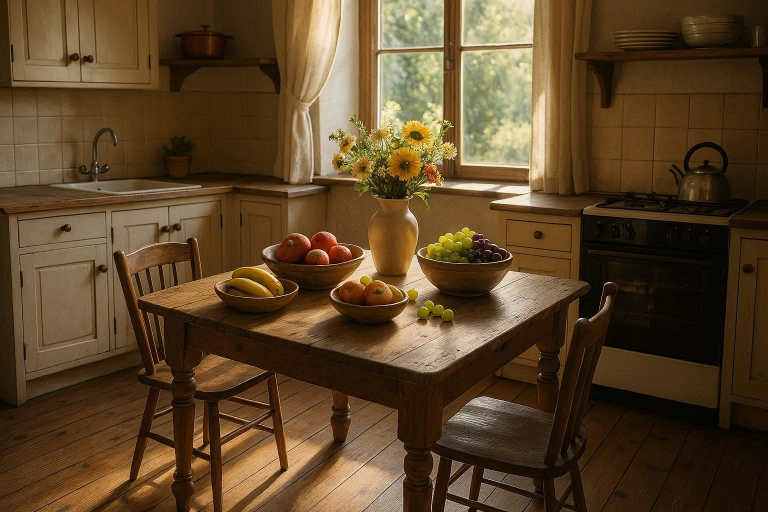
When it comes to kitchen flooring, the options are abundant, ranging from tiles and vinyl to stone and laminate. However, one material that has consistently captured the attention of homeowners is wood. Whether it’s the warm, timeless feel or the way it complements various design styles, wooden floorboards have become a popular choice in many modern kitchens. However, before making a decision, it’s essential to consider both the pros and cons. Let’s dive into why wooden floorboards could be the perfect fit for your kitchen, and whether they are the right choice for your lifestyle and budget.
Why Choose Wooden Floorboards for Your Kitchen?
Aesthetic Appeal
Wooden floors are often synonymous with elegance and warmth. The natural texture and grain patterns of wood bring a unique, earthy feel to any space. In the kitchen, this translates to a welcoming environment where the heart of the home feels more like a gathering place. From light oak to rich walnut, there’s a shade of wood that can perfectly match the design vision of your kitchen.
Whether you’re going for a sleek, modern look or a more rustic, country vibe, wooden floors adapt well. Their versatile nature ensures they can complement a wide range of kitchen styles, making them a top contender for any kitchen remodel.
Warmth and Comfort
Unlike tiles or stone, wood offers a warm, inviting atmosphere. This is especially important in the kitchen, which can be a bustling, busy space. Wooden floorboards help maintain a cozy ambiance, even during colder months. They are a soft surface to walk on compared to harder alternatives, providing a sense of comfort underfoot.
Variety of Styles
One of the main appeals of wooden floorboards is the variety they offer. There are numerous wood types to choose from—each with its own distinct characteristics. For instance:
- Oak is a popular choice due to its strength and versatility. Its neutral tone makes it suitable for both light and dark kitchens.
- Maple provides a cleaner, lighter appearance and is perfect for contemporary kitchens.
- Walnut offers a luxurious, darker tone for more elegant spaces.
You can also choose from various finishes, including matte, gloss, or satin, depending on the desired look. Whether you prefer a more natural, unfinished appearance or a sleek, polished surface, there’s an option to suit your preferences.
Increased Home Value
Wooden floors are often considered a premium option, which can increase the value of your home. If you’re thinking long-term, investing in quality wood flooring could be a smart financial move. Homes with hardwood floors tend to sell faster and at higher prices, making it an attractive feature for future buyers.
Pros of Wooden Floorboards in the Kitchen
Durability and Longevity
Wooden floorboards are known for their durability. When properly maintained, they can last for decades. Unlike carpet or laminate, wood doesn’t easily fade or wear out, even in high-traffic areas like the kitchen. With the right care, you can expect your wooden floors to look beautiful for years, making them a worthy long-term investment.
Moreover, wood is resistant to cracking and warping over time, provided it’s properly sealed. This makes it an excellent option for kitchens, where spills and foot traffic are common.
Easy Maintenance and Cleaning
Compared to other kitchen flooring materials, wood is relatively easy to maintain. A quick sweep and occasional mopping are often all that’s needed to keep wooden floors clean. Wood floors are less prone to staining and discoloration than carpets, making them a practical choice for kitchens, where spills are inevitable.
To maintain the sheen of your wooden floor, a simple dusting and mopping with a wood-friendly cleaner will do the trick. For tougher stains, a little elbow grease may be required, but with the right products, it’s not overly labor-intensive.
Timeless Design
Wooden floorboards are a classic choice. Whether you opt for a modern kitchen or a more traditional setup, wood can fit seamlessly into your design. Unlike some flooring materials that may come and go out of style, wooden floors retain their appeal year after year. They can easily complement any changes you make in the future, whether that’s a complete kitchen overhaul or just swapping out the cabinets.
Sustainability
Choosing wood for your kitchen floors can also be an environmentally friendly option. Many wooden floorboards are made from sustainably sourced timber, ensuring that your choice doesn’t come at the expense of the planet. Additionally, eco-friendly options such as bamboo or reclaimed wood are gaining popularity, further reducing environmental impact.
Cons of Wooden Floorboards in the Kitchen
Susceptibility to Water Damage
One of the biggest concerns with wooden floorboards in the kitchen is water. Kitchens are often exposed to moisture from spills, humidity, and cleaning. When water seeps into the wood, it can cause warping, swelling, or staining, which can be difficult or expensive to repair.
To mitigate this issue, it’s important to clean up spills promptly and avoid excessive water exposure. Investing in high-quality finishes or water-resistant treatments can also help protect the wood from moisture damage.
Scratching and Dents
While wood is a durable material, it’s not immune to Cleaning Guide for Home & Kitchen
scratches and dents. Dropped kitchen tools, furniture, or even pets’ claws can leave marks on the surface. High foot traffic in the kitchen can also cause wear and tear over time. While this adds character to the floor, it might not be ideal for those who prefer a flawless surface.
To minimize scratches, you can place area rugs in high-traffic areas and use felt pads under furniture and appliances.
Cost Considerations
Wooden floorboards are often more expensive than alternatives like tile or laminate. The initial cost of installation can be higher, and the cost of maintenance over time may also add up. However, many homeowners see this as a worthwhile investment given the long-term benefits of wood’s durability and timeless appeal.
Requires Regular Maintenance
To maintain their beauty, wooden floors need regular sealing and refinishing. Over time, the finish on your wooden floor can wear down, exposing the wood to the risk of damage. Refinishing can be an additional cost and time commitment, but it’s essential for keeping the floor in top condition.

How to Care for Wooden Floorboards in the Kitchen
Cleaning Tips
To keep your wooden floors looking great in the kitchen, it’s essential to clean them regularly. Dust and debris can scratch the surface if left unchecked, so use a microfiber mop or broom to collect dirt. When mopping, avoid excess water, and use a cleaner specifically designed for wooden floors.
Preventing Water Damage
To protect your wooden floor from water damage, consider using mats and rugs in areas prone to spills, such as under the sink or near the stove. Additionally, ensure that the floor is properly sealed to prevent moisture from seeping in. If a spill occurs, clean it up immediately.
Refinishing and Sealing
Refinishing your wooden floor every few years helps maintain its beauty and durability. The frequency of refinishing depends on the amount of traffic your kitchen gets. Some floors may only need refinishing once every 5–7 years, while others may require it more frequently.
Is Wooden Flooring a Good Investment for Your Kitchen?
Wooden floorboards can be a great investment for your kitchen, but it’s important to weigh the pros and cons based on your specific needs. If you have a busy household with young children or pets, you might want to consider how resilient the wood will be over time. On the other hand, if you’re looking for a long-term investment that will add value to your home, wooden floors can be an excellent choice.
While the upfront cost can be higher, the potential for increased home value and the timeless appeal of wooden floors make it a worthwhile consideration for many homeowners.
Alternatives to Wooden Floorboards for Kitchens
If you’re still unsure about wooden floorboards, there are other kitchen flooring options to consider:
Tile Flooring
Tile is a popular choice for kitchens due to its moisture resistance. It’s easy to clean and can withstand the wear and tear of a busy kitchen.
Laminate Flooring
Laminate is a more budget-friendly alternative to wood that mimics its appearance. While it doesn’t offer the same warmth as real wood, it’s a practical option for those on a tight budget.
Vinyl Flooring
Modern vinyl flooring can replicate the look of wood with the added benefit of being water-resistant and more affordable. It’s a great choice for those who want the aesthetic of wood without the concerns about moisture damage.
FAQ
Are wooden floorboards suitable for high-traffic kitchens?
Yes, wooden floors can handle high traffic, but they require regular maintenance to prevent wear and tear. Consider placing rugs or mats in high-traffic areas.
How can I prevent my wooden kitchen floor from warping?
To prevent warping, clean up spills quickly and use a protective finish. Consider using moisture barriers in areas where water exposure is common.
Can I install wooden floorboards myself in my kitchen?
While it’s possible to install wooden floors yourself, it’s often best to hire a professional for optimal results, especially in a high-moisture area like the kitchen.
How much do wooden floorboards cost in comparison to other materials?
Wooden floors are typically more expensive upfront compared to tile, laminate, and vinyl. However, their durability and long-term value make them a worthy investment.
Is it worth refinishing old wooden floors in the kitchen?
If your wooden floors are still structurally sound, refinishing them can restore their beauty and extend their life. It’s a more cost-effective solution than replacing the entire floor.
Conclusion
Wooden floorboards bring warmth, timeless design, and durability to your kitchen, but they come with their challenges. Before making a decision, consider the maintenance required, potential water damage, and the overall aesthetic you desire. If you’re ready to invest in a long-term, high-quality floor that enhances the look of your kitchen, wooden floorboards are an excellent choice. For personalized advice, don’t hesitate to contact a professional and explore the best options for your space.