
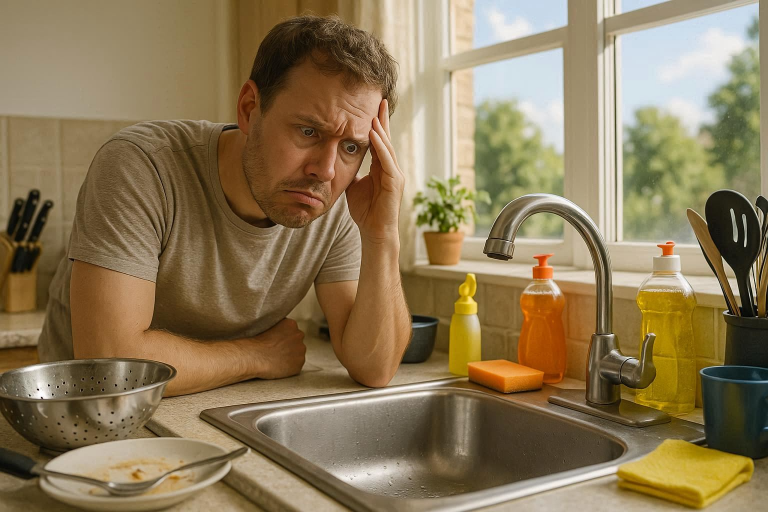
We’ve all been there—standing at the kitchen sink, washing dishes, and suddenly, the water refuses to go down. Whether it’s a slow drain or standing water, a kitchen sink that won’t drain properly can quickly turn into a frustrating problem. Not only does it disrupt daily tasks, but it can also lead to long-term plumbing issues if not addressed promptly.
In this blog, we’ll walk you through the most common causes of a kitchen sink not draining and offer effective solutions you can try yourself. From clogged drain lines to airlocks, we’ve got all the tips you need to get your sink working again without calling in a plumber—at least not immediately!
Common Causes of a Kitchen Sink Not Draining
Before jumping into solutions, it’s essential to understand what could be causing your kitchen sink to drain improperly. Let’s take a closer look at some of the most Cleaning Guide for Home & Kitchen common culprits.
Clogged Drain Line
Food scraps, grease, soap, and other debris can easily accumulate in your kitchen sink’s drain line. Over time, these materials build up and create a blockage, preventing water from draining properly. If you’ve noticed your sink draining slowly, or not at all, a clogged drain line is often the main issue.
Airlock in the Pipes
Even if there’s no visible clog, trapped air in the pipes can cause your kitchen sink to stop draining. Airlocks occur when a pocket of air is trapped in the drain system, blocking the flow of water. This is one of the less obvious causes of drainage issues and can sometimes be mistaken for a clog.
Blocked P-Trap
The P-trap, that U-shaped pipe under your sink, is designed to trap debris and prevent odors from coming up through the drain. Over time, it can become clogged with food waste, soap scum, and grease. If your sink isn’t draining and the pipes look clear, the P-trap could be the culprit.
Clogged Vent Pipe
Your kitchen sink also has a vent pipe that helps air flow properly through the plumbing system. If this vent pipe becomes blocked, it can prevent water from draining correctly, causing slow drainage or standing water. This issue is often overlooked but can cause serious drainage problems.
Kitchen Sink Not Draining But Not Clogged
It’s a confusing situation—your kitchen sink isn’t draining, but there’s no visible clog in the pipes. What’s going on? Here are some reasons why this might happen.
Slow Drainage
Sometimes, the sink will still drain, just at a very slow pace. This can be caused by a minor clog that’s only partially blocking the pipes. For example, small bits of grease or food particles may be stuck along the pipe walls, creating a restriction without fully blocking the flow.
Build-up of Grease and Soap
If you’ve been pouring grease or soap down your kitchen sink, they may have built up along the inside of the pipes. Over time, this creates a sticky residue that slows down the water flow. It’s a sneaky problem that may not show up as an obvious clog, but it definitely affects your sink’s drainage.
Partial Blockages
Not all blockages are obvious. Sometimes, debris may be caught deep within the plumbing, or just outside of your view, causing the sink to drain slowly. These partial blockages are harder to spot but can still prevent your sink from draining properly.
Solution
To deal with partial blockages, start by trying the following methods:
- Boiling Water: Pouring boiling water down the drain can help dissolve grease and soap build-up, improving water flow.
- Baking Soda and Vinegar: A mixture of baking soda and vinegar can break down small blockages naturally.
- Drain Snake: If the clog is deeper, use a drain snake to physically remove the blockage.
How to Unclog a Kitchen Sink with Standing Water
If your kitchen sink is filled with standing water, it’s important to act fast. Here are a few ways you can clear the clog and restore proper drainage.
Using a Plunger
A plunger is one of the simplest and most effective tools for clearing a clogged kitchen sink, especially when there’s standing water. Here’s how to use it:
- Fill the sink with enough water to cover the base of the plunger.
- Place the plunger over the drain, ensuring it forms a tight seal.
- Pump the plunger up and down quickly for about 15-20 seconds.
- Release the plunger and check if the water drains. If not, repeat the process a few more times.
Hot Water Method
Boiling water can help break down grease and food debris that may be causing the blockage. Here’s how to use it:
- Boil a kettle of water.
- Slowly pour the hot water into the drain in stages, allowing it to dissolve the clog.
- Wait a few minutes to see if the water drains properly.
Baking Soda and Vinegar Method
This time-tested home remedy can clear up minor clogs and eliminate bad odors. Here’s how it works:
- Pour ½ cup of baking soda into the drain.
- Follow it with 1 cup of white vinegar.
- Cover the drain and wait for 10-15 minutes while the fizzing reaction breaks down the clog.
- Flush the drain with hot water to clear out any debris.
Drain Snake or Auger
If the blockage is deep in the pipes and not resolved with the above methods, it’s time to break out the drain snake or auger. Here’s how to use it:
- Insert the snake into the drain and slowly feed it into the pipe.
- Rotate the handle as you push it deeper into the pipe until you feel resistance.
- Once the clog is snagged, pull it out and flush the drain with hot water.
Sink Not Draining But Pipes Clear
Sometimes, you may see that your sink is not draining but there’s no obvious blockage in the pipes. Here are a few reasons why this may happen.
Airlock Issues
An airlock in the pipes occurs when a pocket of air is trapped in the drain line, blocking water from draining. This is more common in newer homes where the plumbing system hasn’t had a chance to settle. To fix this, try running hot water through the drain to break the airlock and get the water flowing again.
Clogged Vent Pipe
The vent pipe in your plumbing system ensures that air can flow freely through the pipes, allowing water to drain properly. If this vent pipe becomes blocked, it can prevent water from draining effectively. You may need to clear the vent pipe to restore proper drainage.
Slow Drain Build-up
Over time, small particles of food, grease, and soap can accumulate and cause a gradual build-up in your pipes. While there may not be a visible blockage, this build-up can significantly slow down drainage. Using a drain snake or calling a plumber can help clear this issue.
Solution
To solve these problems:
- Clear the Airlock: Run hot water through the system to release any trapped air.
- Check the Vent Pipe: If the vent pipe is blocked, clear it using a plumber’s snake or call a professional for help.
- Prevent Build-up: Regularly clean your pipes using natural remedies like baking soda and vinegar.
Kitchen Sink Clogged on Both Sides
If both sides of your double sink are clogged, it’s usually a sign that something is wrong with the shared drain system. Here’s what you should do:
Shared Drain Line
In most double sinks, both sides share a common drain line. If this drain line gets blocked, both sides will stop draining properly. Check the shared drain line and the trap for blockages.
Main Drain Blockage
A blockage in the main drain line can cause both sides of the sink to clog simultaneously. This could be caused by food debris, grease, or other materials that have built up over time.
Multiple Clogs in the System
Sometimes, other parts of the system, such as the dishwasher drain, may be clogged, causing both sides of the sink to back up. If this is the case, inspect all drains connected to your kitchen sink.
Solution
To fix this issue:
- Inspect the P-trap and shared drain line for visible clogs.
- Use a plumber’s snake to clear the main drain line or call a plumber for professional help.
Clogged Kitchen Sink Home Remedy
Before calling a plumber, there are a few home remedies you can try to clear your clogged kitchen sink.
Baking Soda and Vinegar
This classic method is great for breaking down blockages caused by grease, soap, and food particles. The fizzing reaction helps dislodge clogs naturally.
Boiling Water
Pouring boiling water down the drain can help dissolve grease and soap buildup, making it easier for water to flow.
Dish Soap and Hot Water
For grease-related clogs, mix dish soap with hot water to break down the grease and clear the pipes.
Plunger Use
A plunger can help dislodge clogs, especially when there’s standing water in the sink. It’s simple but effective.
Preventative Tips
- Use drain guards to prevent food debris from entering the drain.
- Never pour grease or oil down the sink.
How to Unclog a Bathroom Sink (Similarities and Differences)
While bathroom sinks and kitchen sinks can both suffer from clogs, the causes are often different. Bathroom sinks typically get clogged with hair, soap scum, and toothpaste, while kitchen sinks are more likely to clog from food, grease, and soap. However, many DIY solutions, like plunging or using a drain snake, work for both.
Water Not Draining from Sink But No Blockage
If you’ve checked the pipes and there’s no blockage, yet the water still won’t drain, consider the following possibilities:
Airlock in the Drain System
An airlock can trap water in your sink, even if the pipes are clear. Running hot water through the system should help clear it out.
Clogged Vent Pipe
If the vent pipe is blocked, it can prevent water from draining properly. You’ll need to clear the vent pipe to restore proper airflow.
P-Trap Problems
A clogged or damaged P-trap can cause water to back up, even when there’s no visible clog. Inspect the P-trap for blockages and clear it if necessary.
Best Drain Cleaners for Clogged Kitchen Sinks
When home remedies don’t work, you might turn to drain cleaners. Here are your options:
Chemical Drain Cleaners
Drano and Liquid-Plumr are popular for clearing tough clogs, but use them with caution as they can damage pipes over time.
Eco-Friendly Alternatives
Enzyme-based drain cleaners are safer for your pipes and the environment. These products use natural enzymes to break down organic matter.
How to Use Drain Cleaner Safely
Always follow the manufacturer’s instructions and wear protective gloves when using chemical cleaners. Never mix different types of cleaners.
Preventing Kitchen Sink Clogs in the Future
Prevention is always better than cure. Here are a few tips to keep your kitchen sink clog-free:
Use Drain Guards
These simple devices catch food particles before they can enter the drain and cause clogs.
Regular Maintenance
Flush your sink with hot water every week to prevent build-up.
Avoid Grease and Oil in the Drain
Dispose of grease properly by pouring it into a container and throwing it away.
Routine Plumbing Check-ups
Schedule annual plumbing inspections to catch potential issues before they turn into major problems.
FAQ
My kitchen sink is not draining, but I’ve checked the pipes and there’s no clog. What’s going on?
The issue could be an airlock in the pipes, a clogged vent pipe, or a partial blockage that isn’t immediately visible.
How do I unclog a kitchen sink with standing water?
Try using a plunger, followed by hot water. You can also use baking soda and vinegar for stubborn blockages.
Why is my kitchen sink clogged on both sides?
This could be due to a shared drain line or a blockage in the main drain line. Check the P-trap and drain line for clogs.
What should I do if my kitchen sink is not draining, but the pipes are clear?
The problem could be related to an airlock or a clogged vent pipe. Clear the airlock with hot water or use a drain snake for the vent pipe.
How can I prevent kitchen sink clogs in the future?
Use drain guards, dispose of grease properly, and regularly clean the sink with hot water or baking soda and vinegar.
Conclusion
A clogged kitchen sink can be an annoying problem, but with the right tools and knowledge, you can often fix it yourself. Whether you’re dealing with a minor blockage or a more serious issue, the solutions in this guide will help you restore your sink’s drainage. Remember, prevention is key! Regular maintenance and mindful disposal of grease and food waste will keep your sink running smoothly for years to come. Happy unclogging!