
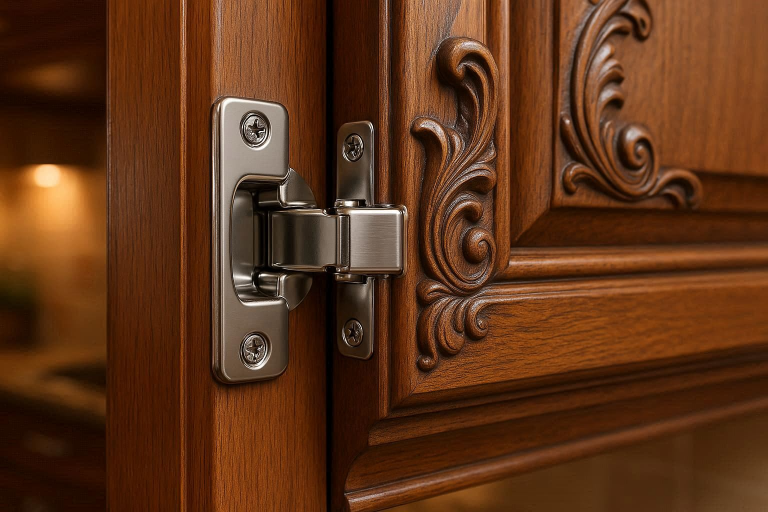
When it comes to your kitchen cabinets, the hinges may not always get the attention they deserve. However, these small but essential components play a pivotal role in the functionality and overall aesthetic of your kitchen. Choosing the right hinges is more than just a practical decision—it’s one that impacts the ease of use, the look of your cabinetry, and even the longevity of the furniture itself. Let’s dive into the world of kitchen cabinet hinges and explore how you can select, install, and maintain them for a perfect kitchen setup.
What Are Kitchen Cabinet Hinges?
Kitchen cabinet hinges are the hardware components that connect the cabinet doors to the cabinet frame. Their primary function is to allow the Cleaning Guide for Home & Kitchen doors to open and close smoothly. Hinges also contribute to the alignment of the doors, ensuring that they sit evenly when closed.
The importance of selecting the right hinge type extends beyond mere functionality. The right hinge can enhance the aesthetic of your kitchen, complementing the design, and even making your cabinets more user-friendly. A well-chosen hinge can last for many years, providing consistent performance and reducing the need for frequent repairs.
Types of Kitchen Cabinet Hinges
When selecting kitchen cabinet hinges, it’s crucial to understand the various types available. Different hinges suit different cabinet door styles and designs, and the choice you make can impact both functionality and style.
European Hinges (Concealed Hinges)
Features and Benefits:
European hinges, often referred to as concealed hinges, are a modern solution commonly found in contemporary kitchen designs. These hinges are hidden from view when the cabinet door is closed, offering a clean, sleek look. They also allow for a wide range of adjustments to ensure doors align perfectly.
Common Uses:
European hinges are ideal for full-overlay kitchen cabinets, where the cabinet doors completely cover the frame. This style is widely used in modern kitchens to create a minimalist appearance.
Overlay Hinges
Explanation of Full Overlay, Half Overlay, and Inset Styles:
Overlay hinges are used when the cabinet doors partially or fully cover the frame. These hinges come in several variations:
- Full Overlay: The cabinet door covers the entire cabinet frame, making the hinges less visible.
- Half Overlay: The door partially covers the cabinet frame, often used when you want a more traditional look.
- Inset: The cabinet door sits inside the frame, offering a classic, clean look, but the hinges will be visible from the outside.
When to Use:
The overlay hinge style is most suitable for cabinets where the doors cover most or all of the frame. Full overlay works best for modern or contemporary kitchens, while inset hinges are ideal for those who want a traditional, vintage feel.
Piano Hinges
Features and Applications:
Piano hinges are long, continuous hinges that span the entire length of a cabinet door. They’re often used for larger doors or in cases where durability is a must. These hinges are often used in larger kitchen cabinets or in specialized furniture, such as pantry doors or custom cabinetry.
Butt Hinges
Traditional Style and Application:
Butt hinges are the classic, visible hinge that attaches to the edge of a door and its frame. These hinges are often used in more traditional kitchen designs or vintage-style cabinets. They’re easy to install and maintain, but they tend to be more visible than other hinge types.
Continuous Hinges
Differences from Piano Hinges:
Continuous hinges, like piano hinges, span the full length of the door. However, they are typically more durable and offer better weight distribution for heavy-duty cabinets. These are ideal for larger cabinet doors or those that need to bear heavier loads.
Benefits:
These hinges are perfect for cabinet doors that are larger and heavier, such as those found in custom or high-end kitchen cabinetry. They provide more even support across the door and help prevent warping.
Self-Closing Hinges
Description and Advantages:
Self-closing hinges feature a mechanism that automatically pulls the door shut once it’s been opened. This is a great feature for anyone who tends to leave cabinet doors ajar. The self-closing mechanism ensures that doors always close securely, reducing the risk of damage to the cabinet or inconvenience.
Soft-Close Hinges
How Soft-Close Mechanisms Work:
Soft-close hinges are similar to self-closing hinges but with a quieter, more gradual closing action. The soft-close mechanism uses a hydraulic system that slowly brings the door to a close, reducing the impact and preventing slamming.
Why They’re Popular:
Soft-close hinges are extremely popular for kitchen cabinets because they minimize noise and extend the life of the cabinet doors. No one enjoys the sudden noise of a door slamming shut, and soft-close hinges solve that problem while adding an element of luxury to your kitchen.
How to Choose the Right Kitchen Cabinet Hinges
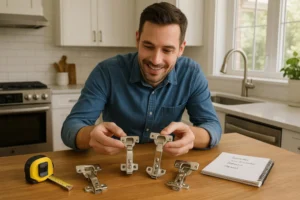
Selecting the right hinge involves considering several factors, such as door type, material, size, weight capacity, and design. Here’s a breakdown of how to choose the best hinge for your cabinets.
Consider the Cabinet Door Type
Matching the hinge to your cabinet door type is crucial for functionality. For example:
- Full-overlay doors pair well with European concealed hinges, which are discreet and clean.
- For inset doors, butt hinges or exposed hinges may be the better choice.
Material Considerations
Hinges come in a variety of materials, each with its advantages:
- Brass: Offers a classic, elegant look but may tarnish over time.
- Steel: Strong and durable, often coated for protection.
- Stainless Steel: Resistant to rust and corrosion, making it a great choice for kitchens exposed to moisture.
Hinge Size and Weight Capacity
Ensure the hinge can accommodate the size and weight of your cabinet doors. Larger and heavier doors require stronger hinges, such as continuous hinges or piano hinges, which distribute weight more evenly.
Design and Finish
The design and finish of the hinge should complement the overall aesthetic of your kitchen. Choose finishes like matte black, brushed nickel, or oil-rubbed bronze to match your kitchen’s hardware and cabinetry.
Kitchen Cabinet Hinge Installation Guide
Installing kitchen cabinet hinges doesn’t have to be difficult. With the right tools and a little patience, you can install your hinges easily and correctly.
Tools You’ll Need
- Screwdrivers
- Measuring tape
- Drill
- Wood screws
- Hinge template (optional, but recommended for accurate placement)
Step-by-Step Installation Process
- Mark Hinge Placement:
- Measure and mark the spot where the hinge will go on both the door and the frame. Ensure the hinge is properly aligned to prevent misalignment later.
- Drill Holes for Hinge Cups and Screws:
- Carefully drill holes for the hinge cups in the door and for the screws in the cabinet frame.
- Attach the Hinge to the Door and Frame:
- Use screws to attach the hinge to both the door and the cabinet frame. Double-check the alignment before tightening the screws completely.
Common Mistakes to Avoid
- Incorrect measurements: Always double-check your measurements before drilling.
- Poor alignment: Ensure the hinges are positioned correctly to avoid doors that don’t close properly.
- Damaging the wood: Drill slowly and carefully to avoid splintering the wood or damaging the finish.
Maintenance and Care for Kitchen Cabinet Hinges
To ensure your cabinet hinges continue working smoothly, regular maintenance is essential.
Regular Cleaning Tips
Clean the hinges with a mild cleaner to remove dust and grease. This will prevent rust and help the hinges function smoothly.
Lubrication
Lubricate the moving parts of the hinges to ensure they open and close quietly. Use a lubricant designed for metal parts to prevent rust and corrosion.
Adjusting Hinges for Optimal Performance
Periodically check the alignment of your doors and make adjustments as needed. Soft-close hinges may also need occasional adjustments to maintain their performance.
Common Problems with Kitchen Cabinet Hinges
Even with proper care, kitchen cabinet hinges can encounter problems over time. Here’s how to deal with common issues:
Loose Hinges
If your cabinet doors start to sag or become loose, check the screws and tighten them. If the hinge itself is worn out, it may need to be replaced.
Rust and Corrosion
Moisture is the primary cause of rust and corrosion. Keep the hinges dry and clean, and use stainless steel or brass hinges for added resistance to corrosion.
Sagging Doors
Sagging doors can be caused by worn-out hinges or improper alignment. Adjust the hinges or replace them if necessary.
How to Replace Kitchen Cabinet Hinges
Sometimes, your hinges will need replacing, especially if they are damaged or outdated.
When to Replace Hinges
Signs that your hinges need replacing include squeaking, rust, misalignment, or if the door doesn’t close properly.
Step-by-Step Hinge Replacement Process
- Remove the old hinges by unscrewing them from the door and frame.
- Install the new hinges in the same spot, ensuring proper alignment and function.
Choosing the Right Replacement Hinges
When replacing hinges, ensure they match the original hinges in size, style, and function to avoid misalignment or improper door operation.
FAQ:
What is the difference between European hinges and traditional hinges?
European hinges are concealed and offer a sleek, modern look, while traditional hinges (like butt hinges) are visible and provide a more classic appearance.
Can I install kitchen cabinet hinges myself, or do I need a professional?
DIY installation is possible with the right tools and careful measurements. However, if you’re unsure, hiring a professional can save you time and effort.
How can I make my kitchen cabinet doors close softly?
Install soft-close hinges, which gradually pull the door shut to prevent slamming.
Do kitchen cabinet hinges need to be replaced often?
With proper care, kitchen cabinet hinges can last many years. However, if they are worn out or damaged, they should be replaced promptly.
What is the best hinge material for kitchen cabinets?
Stainless steel is the most durable and resistant to rust, making it an excellent choice for kitchen hinges.
Are there different hinges for upper and lower cabinets?
Typically, the same type of hinge is used for both upper and lower cabinets, but the size and strength of the hinge may vary depending on the cabinet’s size and weight.
Conclusion
Choosing the right kitchen cabinet hinges is essential for both functionality and aesthetics. By understanding the different types of hinges, how to install them, and how to maintain them, you can ensure your cabinets operate smoothly and look great for years to come. Whether you’re replacing old hinges or upgrading your kitchen, taking the time to choose and care for your hinges will make a big difference in the overall performance of your kitchen.