
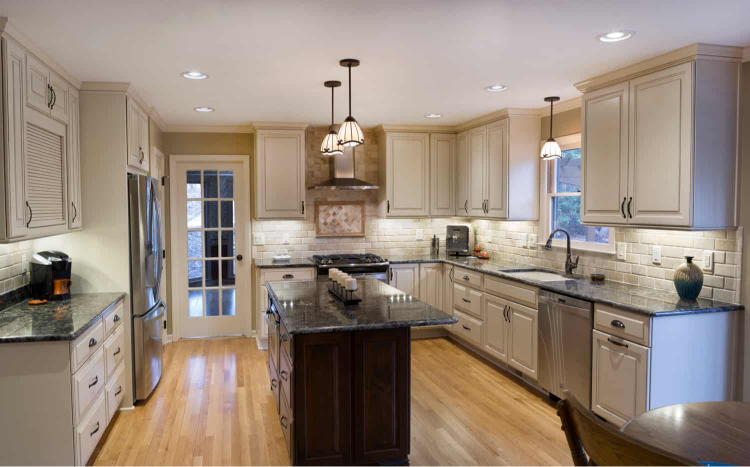
When it comes to painting kitchen cabinets, the preparation is just as important as the painting itself. Without proper preparation, your new paint job could end up peeling, cracking, or failing to adhere properly. One of the most crucial steps in the process is degreasing your kitchen cabinets. Grease, grime, and cooking residue build up over time, especially in kitchens that are frequently used for cooking. These substances can prevent paint from adhering to the surface, resulting in poor results.
In this comprehensive guide, we’ll walk you through why degreasing is essential before painting, the tools and supplies you’ll need, and provide you with a step-by-step process for properly degreasing your kitchen cabinets. By the end of this article, you’ll have all the knowledge necessary to achieve a smooth, long-lasting paint job.
Why Degreasing is Important Before Painting Kitchen Cabinets
Before diving into the process of degreasing your kitchen cabinets, it’s important to understand why this step is so critical.
Prevents Paint Peeling or Cracking
When grease and grime accumulate on kitchen cabinets, they create an oily, sticky layer that interferes with the paint’s ability to Ideas for Kitchen and Living Room bond to the surface. This can lead to the paint peeling or cracking after a short period. Degreasing ensures that your cabinets are free from any unwanted residue, allowing the paint to adhere more effectively.
Creates a Smooth Surface
A smooth surface is key to a successful paint job. If your cabinets are coated with grease and dirt, the paint will not sit evenly, resulting in an uneven finish. By degreasing your cabinets, you remove grime that could affect the overall texture, ensuring that the paint goes on smoothly and evenly.
Prolongs the Life of the Paint Job
A well-prepared surface helps the paint job last longer. When you properly degrease your cabinets, you’re setting the stage for a more durable and long-lasting finish. Clean surfaces will also help prevent dirt and grease from penetrating the paint over time, helping to maintain the cabinet’s appearance for years to come.
Tools and Supplies You’ll Need to Degrease Kitchen Cabinets
Before you begin, gather the necessary tools and supplies. Here’s what you’ll need to get the job done:
Degreaser (Commercial or DIY Solutions)
One of the most important supplies you’ll need is a degreaser. There are plenty of commercial degreasers available, such as TSP (Trisodium Phosphate), which is a powerful solution for removing grease, dirt, and stains. If you prefer eco-friendly solutions, you can make your own degreaser using a mix of vinegar and water or a mixture of baking soda and dish soap.
Cleaning Cloths or Sponges
You’ll need soft cloths or sponges to apply the degreaser and wipe off the residue. Microfiber cloths are ideal because they don’t leave lint behind and are gentle on surfaces.
Scrub Brushes
A scrub brush will help you tackle tougher grease spots, especially around corners, joints, and intricate areas of the cabinet. A brush with stiff bristles is ideal for removing stubborn grime.
Rubber Gloves
It’s always a good idea to protect your hands when handling strong cleaning products. Rubber gloves will help protect your skin from irritation and chemicals.
Bucket or Basin
A bucket or basin is necessary if you’re mixing a homemade degreaser or diluting a commercial degreaser with water. Having a dedicated container helps prevent spills and ensures you’re using the right amount of solution.
Screwdriver
If you’re removing cabinet doors, handles, or hinges, you’ll need a screwdriver to take everything off before cleaning. This ensures you can clean every nook and cranny without obstruction.
Step-by-Step Guide to Degreasing Kitchen Cabinets for Painting
Now that you have your tools and supplies, it’s time to get started. Here’s a simple, step-by-step guide to properly degrease your kitchen cabinets before painting.
Step 1: Remove Cabinet Hardware and Doors
The first step in preparing your kitchen cabinets for degreasing is to remove all hardware. This includes handles, knobs, hinges, and any other attachments. It’s also a good idea to remove the cabinet doors themselves for a more thorough clean. Removing the hardware ensures that you can clean the entire surface of the cabinets without missing spots or damaging your hardware.
Step 2: Wipe Down the Cabinets
Before applying the degreaser, it’s a good idea to wipe down the cabinets with a dry cloth or duster to remove any loose dust, crumbs, or debris. This helps ensure that the degreaser works more effectively and gives you a clean starting point. You don’t want to mix dirt with your cleaning solution, as this can lead to an uneven surface.
Step 3: Apply the Degreaser
Now that your cabinets are free from loose debris, it’s time to apply the degreaser. Whether you’re using a store-bought product or a homemade solution, follow the instructions on the label for the best results. Apply the degreaser to the cabinet surfaces using a sponge or cloth, making sure to cover every part of the cabinet, including the sides and any hard-to-reach areas.
Step 4: Scrub Away Grease
Once the degreaser has had time to sit (usually about 5-10 minutes), use your scrub brush or sponge to scrub away the grease and grime. Be thorough—pay attention to the corners, joints, and any grooves where grease tends to build up. If you find stubborn spots, apply more degreaser and let it sit for a little longer before scrubbing again.
Step 5: Rinse and Dry Cabinets
After scrubbing, it’s essential to rinse the cabinets to remove any remaining degreaser. Use clean water and a fresh sponge or cloth to wipe down all the surfaces. Be sure to get rid of any residual cleaning solution, as it could interfere with the paint adhesion. Once you’ve rinsed everything, dry the cabinets with a clean, dry cloth to ensure they’re completely dry before painting.
How to Test if Cabinets Are Properly Degreased
Once you’ve completed the cleaning process, you’ll want to test whether the cabinets are ready for painting. Here are two simple ways to check if your cabinets have been properly degreased:
The Water Test
Pour a small amount of water onto the cleaned surface. If the water beads up, that means the surface is still oily and needs further cleaning. If the water spreads evenly and soaks into the wood, then the surface has been adequately degreased and is ready for painting.
Visual Inspection
Visually inspect the cabinets for any greasy spots or residues that may have been missed. If you notice any lingering grime or oils, repeat the cleaning process on those areas until the surface looks completely clean.
Common Mistakes to Avoid When Degreasing Kitchen Cabinets
While degreasing is a relatively straightforward process, there are a few common mistakes that can hinder your results. Here’s what to watch out for:
Overusing or Underusing Degreaser
Using too much degreaser can leave a residue on your cabinets, making it harder to rinse them properly. On the other hand, using too little may not effectively remove the grease. Always follow the recommended guidelines on the product label for the best results.
Skipping the Rinsing Step
Leaving degreaser residue on the cabinet surface can interfere with paint adhesion. Always ensure you rinse thoroughly after applying the degreaser.
Not Allowing Enough Drying Time
Even a small amount of moisture left on the cabinet can interfere with the paint. Make sure the cabinets are completely dry before proceeding to the next step of painting.
Tips for Preparing Cabinets for Painting After Degreasing
Once your cabinets are degreased and dry, you’re one step closer to that beautiful new finish. Here’s how to continue prepping your cabinets for painting:
Sanding
After degreasing, lightly sand the cabinet surfaces to create a smooth, even texture. Sanding helps to scuff the surface so that the paint adheres better. Make sure to remove any sanding dust with a damp cloth before applying primer.
Priming
Priming is essential for creating a uniform surface and improving the paint’s longevity. Choose a primer suitable for your cabinet material, whether it’s wood, laminate, or MDF. Applying a coat of primer will help ensure that the paint sticks properly and lasts longer.
Choosing the Right Paint
When it comes to selecting the best paint for your kitchen cabinets, it’s important to use a high-quality, durable paint. Semi-gloss or satin finishes are ideal for kitchen cabinets, as they offer a smooth finish that’s easy to clean. Be sure to choose a paint that is designed specifically for cabinets or furniture to ensure maximum durability.
FAQ
Can I use a regular household cleaner to degrease my cabinets?
While regular household cleaners may help with basic cleaning, they’re often not strong enough to remove grease buildup in kitchens. A dedicated degreaser like TSP or an eco-friendly solution is your best bet.
How long should I wait after degreasing before painting?
It’s important to let the cabinets dry completely after degreasing—usually around 1-2 hours. If you’re unsure, feel the surface to check if it’s fully dry before starting to paint.
Is it necessary to remove the cabinet doors for degreasing?
While you don’t have to remove the doors, doing so allows for a more thorough cleaning. Removing the doors also makes it easier to clean every nook and cranny.
Can I degrease cabinets with vinegar?
Vinegar can work well for light grease, but for more stubborn buildup, a stronger degreaser like TSP is recommended. Vinegar is a great natural option if you prefer to avoid harsh chemicals.
What’s the best way to clean greasy kitchen cabinets without damaging the wood?
For wood cabinets, use a gentle degreaser or a mixture of vinegar and water. Always test a small area first to ensure the cleaner doesn’t harm the finish.
Conclusion
Degreasing your kitchen cabinets is a crucial step in ensuring a smooth, long-lasting paint job. By removing grease, grime, and residue, you create the ideal surface for paint to adhere to. Remember to follow the right steps, use the right products, and take your time with preparation. A little extra effort now can result in a beautifully painted kitchen that will last for years to come. Happy painting!