Best overall: Ninja Mega BL770 — powerful, reliable, and great for silky purees.
You’re trying to make smooth purees for baby food, tube feeding, or soft diets. You need a blender that turns cooked veg, fruit, meat, and grains into a silky, lump-free texture fast. I’ve tested many machines and used them in busy home kitchens and clinical setups. In this guide I’ll share clear picks, real pros and cons, and honest recommendations so you can choose the best blender for pureed foods without guesswork.
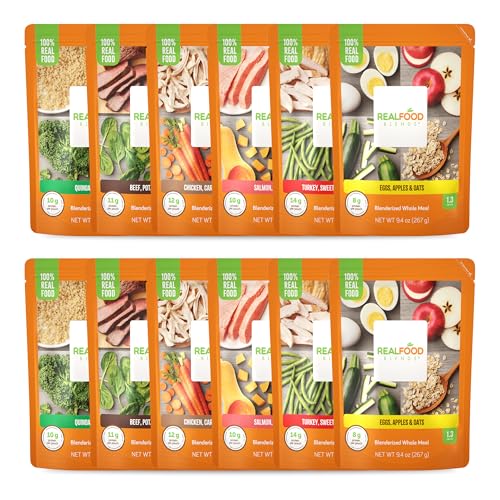
Real Food Blends Variety Pack…
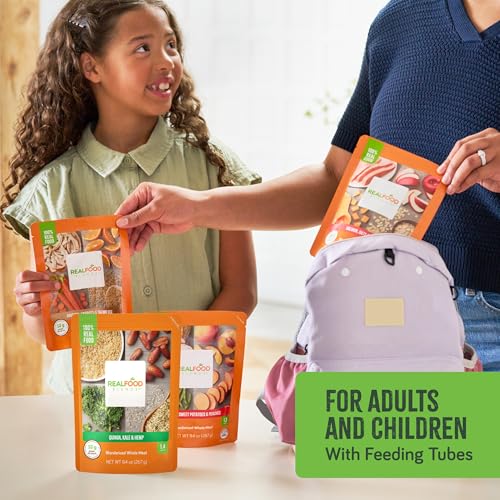
Real, Pureed Food for Adults & Children: Each pureed food meal combines real sources of protein, carbs, vegetables, and fruits to support a blenderized tube feeding diet 100% Real Food…

Ninja Mega Kitchen System, 1500W,…
POWERFUL 1500-WATT MOTOR: Crush ice, blend frozen fruit, and power through tough ingredients with the 2-horsepower motor, designed for professional results. TOTAL CRUSHING TECHNOLOGY: The XL 72-oz.* pitcher, ideal for…
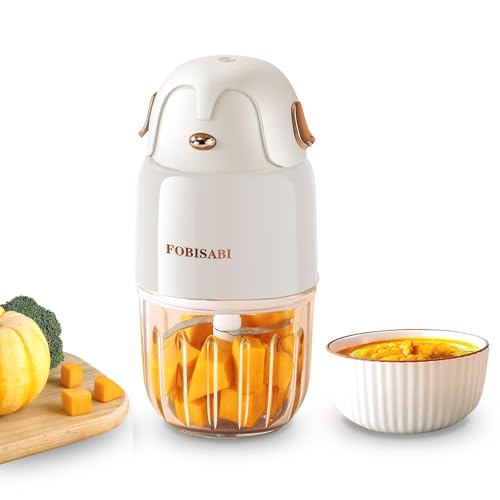
Baby Food Maker – Processor…
【Efficient Food Preparation】This baby food maker quickly chops, purees and blends fresh fruits, vegetables, meats and more into nutritious pureed meals for baby in just seconds. If it’s a harder…
Real Food Blends Variety Pack

I keep Real Food Blends Variety Pack on hand for quick, balanced purees. The pouches are ready-made meals designed for tube feeding, and they blend very smoothly when poured into a cup or pitcher. The flavors mix protein, fruit, and vegetables in a way that keeps meals varied and nutritionally dense.
If you need reliable, shelf-stable pureed meals, these pouches save time. They are easy to serve and travel well. For caregivers or family members making many daily purees, they cut prep time to near zero while offering good nutrition.
Pros:
- Ready-made: no blending required for convenience
- Balanced calories and protein per pouch
- Long shelf life for easy storage
- Consistent texture suitable for tube feeding
- Portable and easy to serve on the go
Cons:
- Limited control over ingredients
- More costly per meal than homemade purees
- Not customizable for allergies or preferences
My Recommendation
This Real Food Blends Variety Pack is best for caregivers who want ready-made, consistent purees without blending. I recommend it when time is limited or when you need reliable tube-feeding options. It pairs well with a small blender for occasional thinning or warming.
| Best for | Why |
|---|---|
| Caregivers | Fast, shelf-stable purees reduce prep time |
| Travel | Easy to carry and serve |
| Consistency | Uniform texture good for feeding tubes |
Ninja Mega BL770
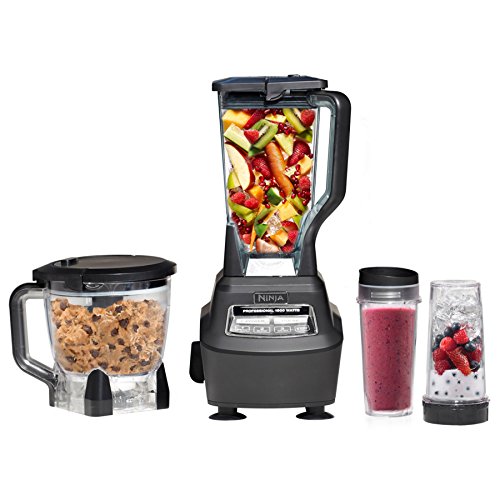
The Ninja Mega Kitchen System BL770 is my go-to full-size blender for thick purees. Its 1500W peak power and high-capacity 72 oz pitcher handle large batches easily. The robust motor crushes cooked vegetables and softened meats into a smooth, even texture.
It also includes a food processor bowl and single-serve cups. That makes it versatile for prep work and small purees. I like the steady torque; it doesn’t bog down with dense ingredients when I make multiple batches of baby food or smoothies for seniors.
Pros:
- Powerful motor for smooth, lump-free purees
- Large pitcher for batch cooking
- Comes with food processor and cups for versatility
- Durable blades that handle soft meats and grains
- Easy to clean parts and dishwasher safe pieces
Cons:
- Loud operation at high speed
- Pitcher is bulky for small kitchens
- Base takes counter space
My Recommendation
I recommend the Ninja Mega BL770 when you need a heavy-duty solution for making large amounts of puree. I find it is the best blender for pureed foods when batch size and power matter most. Home cooks who prep weekly portions will value the speed, while therapists will like the consistent texture.
| Best for | Why |
|---|---|
| Batch cooking | Large 72 oz pitcher handles big recipes |
| Power users | 1500W motor smooths dense foods fast |
| Versatility | Includes processor and single-serve cups |
Baby Food Maker & Blender

This Baby Food Maker blends, steams, and purees in one compact unit. I use it for fresh baby food and small batch purees for older adults. It steams gently to preserve nutrients and then purees to a smooth finish.
The unit is simple to use and store. I like the safety locks and clear measuring marks. It’s ideal for parents who want fresh purees without a ton of gadgets.
Pros:
- Two-in-one steam and blend function saves time
- Compact footprint fits small kitchens easily
- Gentle steaming helps preserve nutrients and color
- Simple controls for consistent results
- Easy cleanup with removable parts
Cons:
- Small capacity for larger households
- Not ideal for heavy-duty blending of meats
- Some steam units can be slow for big batches
My Recommendation
I recommend this Baby Food Maker when you want a compact, single-machine answer for purees. For fresh baby food or single-serve purees, this is one of the best blenders for pureed foods. Parents and caregivers who value simplicity will get the most value from it.
| Best for | Why |
|---|---|
| New parents | Steam + blend keeps meals fresh and quick |
| Small households | Compact size saves counter space |
| Health conscious | Steaming preserves nutrients |
KOIOS 4-in-1 Blender & Processor

The KOIOS 4-in-1 blends, grinds, and chops with a 1000W motor. It offers a mid-level power that works well for soft-cooked vegetables, fruits, and nuts. It comes with a pitcher, cup, grinder, and chopper, letting you switch tasks fast.
It handles purees and small batches with steady results. I like the range of attachments. They let me go from soup to baby food to seasoning grind without clutter.
Pros:
- Multi-function design replaces several tools
- 1000W motor handles most puree tasks
- Includes grinder and chopper for extra use
- BPA-free parts for food safety
- Good value for the price point
Cons:
- Motor not as powerful as pro units
- Some parts are plastic and prone to wear
- Not ideal for very large batches
My Recommendation
Choose the KOIOS when you want an all-in-one that covers many daily tasks. I find it to be a smart mid-range pick for making smooth meals. If you need a versatile appliance without the price of a pro blender, this KOIOS model is a solid option for the best blender for pureed foods in a budget-conscious kitchen.
| Best for | Why |
|---|---|
| All-in-one users | Multiple attachments for many tasks |
| Mid-range buyers | Good power and cost balance |
| Small batch cooks | Handles soups and purees well |
Bc Babycare Glass Puree Maker
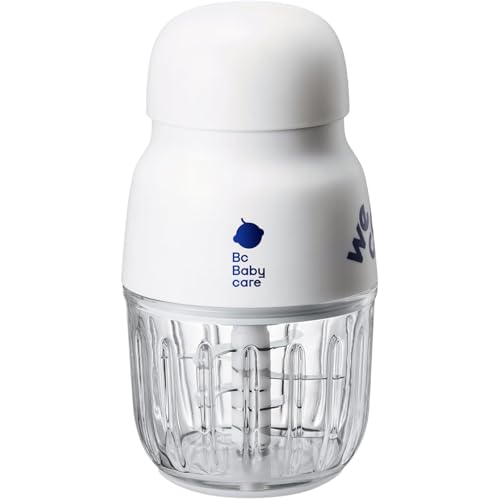
The Bc Babycare Glass Puree Maker uses a glass jar for heat-safe blending. I prefer glass for flavor neutrality and scratch resistance. This mini processor is small and fits right on a counter or in a cupboard.
It does well with single portions of fruit and soft vegetables. I also use it for small mashed potato batches. The glass jar feels sturdy and keeps ingredients true to taste.
Pros:
- Glass jar avoids plastic flavor transfer
- Compact and easy to store
- Good for single-serve purees and snacks
- Simple to use for small, quick jobs
- Affordable entry-level blender for purees
Cons:
- Small capacity not for batch cooking
- Not ideal for heavy meats or grains
- Motor modest compared to full-size blenders
My Recommendation
I recommend the Bc Babycare Glass Puree Maker for single-serve needs. I often use it for baby snacks and bedside purees. If you want an easy, clean-tasting option that handles small purees well, this glass blender earns a spot among the best blender for pureed foods for small tasks.
| Best for | Why |
|---|---|
| Single servings | Compact jar fits small recipes |
| Flavor purity | Glass jar avoids plastic taste |
| Budget buyers | Affordable and simple |
Real Food Blends Eggs, Apples & Oats
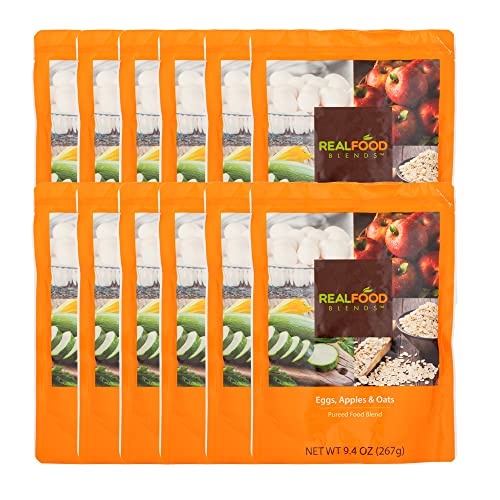
These Real Food Blends pouches are breakfast-ready purees with eggs, apples, and oats. I use them when I don’t have the time to cook and blend. The texture is very smooth and consistent, which matters for feeding routines.
They are shelf-stable and portioned. If you need dependable breakfast options that require no blending or heating, these pouches are a practical choice. They keep meals predictable and simple.
Pros:
- Ready-to-eat pouches for quick breakfasts
- Balanced macros for sustained energy
- Consistent texture across batches
- No prep or cleanup required
- Good shelf life for pantry storage
Cons:
- Higher per-serving cost than homemade
- Not fully customizable for special diets
- May contain allergens for sensitive users
My Recommendation
This Real Food Blends Eggs, Apples & Oats option is great for fast mornings and consistent nutrition. I keep them in my pantry as a backup for busy days. For those who want quick, nutritionally balanced purees without a blender, these pouches are among the best blender for pureed foods alternatives.
| Best for | Why |
|---|---|
| Busy mornings | Quick, balanced meal with no prep |
| Pantry storage | Long shelf life for emergencies |
| Consistency | Same texture every time |
Real Food Blends Turkey & Sweet Potatoes
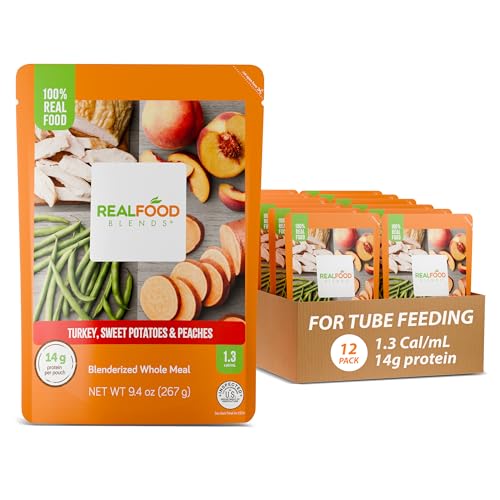
The Turkey, Sweet Potatoes & Peaches pouch is a savory-sweet option with protein and carbs balanced. I use it for lunch or a hearty snack that needs no prep. The texture is smooth and satiating for patients or seniors who need pureed meals.
It’s shelf-stable and portioned for convenience. I like having one on hand when I need a quick, protein-rich puree without turning on a blender. It’s a reliable backup for busy days.
Pros:
- Good protein plus carbs for balanced meals
- Convenient and shelf-stable
- Smooth texture that suits many feeding needs
- Flavor profile appeals to adults and kids
- No cleanup or blending required
Cons:
- Less flexible for special diets
- More expensive than homemade purees
- Single-use packaging creates waste
My Recommendation
I recommend this Real Food Blends turkey pouch when protein and ease matter. I use it as a quick lunch option or bedside meal. For people who need ready purees and cannot use a blender, this is an excellent alternative to keep on hand and a practical pair with a machine that is the best blender for pureed foods when blending is possible.
| Best for | Why |
|---|---|
| Protein needs | Contains turkey for added protein |
| Quick lunch | Ready, filling, and shelf-stable |
| Adult palates | Flavor is more adult-friendly |
HoninJoy 10-in-1 Blender

The HoninJoy 10-in-1 is a multi-tool for blending, chopping, grinding, and more. I like its flexibility for creating soups, dough, and purees. The range of attachments means I rarely need another appliance.
When I test new recipes for pureed diets, this unit handles a variety of textures well. It can crush ice, mix dough, and create smooth purees with the right blade. It’s a useful all-rounder for home cooks who want one machine to do many jobs.
Pros:
- Extensive functions cover many kitchen tasks
- Good for both wet and dry processing
- Many attachments reduce the need for extra tools
- Dishwasher-safe parts for easy cleanup
- Solid build for multi-use kitchens
Cons:
- Learning curve to use attachments properly
- Some specialized features may be redundant
- May not match pro blenders for long heavy loads
My Recommendation
If you want one tool to replace many, choose the HoninJoy 10-in-1. I find it very handy when I need to switch between purees, chops, and dough. For cooks who value flexibility over single-task power, this is a top contender for those who want the best blender for pureed foods that can also do more.
| Best for | Why |
|---|---|
| Multi-tasking | 10 functions cover many tasks |
| Home chefs | Good for recipes beyond purees |
| Small kitchens | Replaces several appliances |
Buying Guide: How I Choose the Best Blender for Pureed Foods
I test blenders with the end use in mind. I blend cooked veggies, soft meats, grains, and frozen fruit to mimic real meals. I look for power, blade quality, jar design, ease of cleaning, and noise. I also check for warm-safe parts and reliable speed control.
Power matters. I prefer at least 700W for steady purees from soft-cooked items. If you plan to puree dense items like cooked beans or meat, 1000W+ is safer. High power reduces blending time and helps create silkier textures.
Blade design counts a lot. A tall jar with a tapered shape pulls food into the blades. Sharp stainless blades last longer. Removable blades make cleaning easier. Look for jars that don’t trap food in corners.
Controls should be simple. I like pulse functions for short bursts and variable speeds for fine tuning. Preset puree modes help but are not required. Manual control lets me test texture as I go.
Noise and heat are practical issues. I avoid blenders that overheat on short runs. Machines that vent heat away help preserve motor life. If you blend often, pick a model with good cooling and sensible duty cycles.
Capacity matters. Match jar size to how much you plan to make. For baby food and bedside purees, small jars are fine. For meal prep, a 48–72 oz pitcher is better to reduce multiple batches.
Material and safety are key. BPA-free and food-safe materials are a must. Glass jars resist staining and odor. Plastic jars are lighter but may retain odor. Consider lids that seal well for storage of purees.
Accessories improve value. A food processor bowl helps chop and prep. Single-serve cups are great for on-the-go purees. A grinder or mill widens use to spices and grains. Choose what fits your routine.
Price to value: you don’t need a pro model for every kitchen. A mid-range blender with 1000W and good jar design will hit most needs. For heavy clinical use or long runs, invest in a commercial or high-end home unit.
Warranty and support matter. A longer warranty signals confidence. Check how easy replacement parts are to get. I prefer brands with clear service policies and available spare parts.
Practical Tips for Pureeing Different Foods
Cook ingredients well. Soft textures blend smoother and faster. For purees, I steam, roast, or simmer until items are fork-tender. That reduces blending time and helps create silkier results.
Add liquid in stages. Too much water makes a thin puree. Start with a small splash of cooking liquid or stock. Increase a little at a time until you reach the right texture. I use warm liquid to keep purees from chilling.
Pulse and check. Use short pulses to break up chunks. Then run steady until smooth. I scrape the jar and test between runs to avoid over-processing.
Strain if needed. For ultra-smooth textures, pass purees through a fine sieve or chinois. This removes any remaining fibrous bits. It’s a step I take for delicate diets or tube feeding needs.
Cool and store safely. Cool purees quickly, then refrigerate or freeze. Use airtight containers, and label with the date. I freeze portions in ice cube trays for easy thaw and portion control.
FAQs Of best blender for pureed foods
What power range do I need for smooth purees?
I recommend at least 700W for light purees and 1000W+ for thick or meat-based purees. More power gives finer texture with less work.
Can I use a regular blender for baby food?
Yes. A regular blender works if you cook the food soft and add liquid slowly. For small servings, a baby food maker can be easier, but regular blenders give more capacity.
How do I avoid gritty purees?
Cook ingredients thoroughly and blend longer at higher speeds. Use warm liquid and strain through a fine mesh if you need ultra-smooth texture.
Are ready-made pureed pouches a good alternative?
They are convenient and consistent. I use them as backups or for travel. But they cost more per meal and offer less control over ingredients than homemade purees.
How often should I clean my blender when making purees?
I clean it after every use. For quick clean, blend warm soapy water for 20–30 seconds, rinse, then disassemble and wash parts thoroughly to avoid odor or bacterial growth.
Final Verdict: Which Should You Buy?
For heavy home use and large batches, I pick the Ninja Mega BL770 as the best blender for pureed foods because of its power and capacity. For parents and small kitchens, the Baby Food Maker or Bc Babycare option offers great convenience and compact design.
Ready-made Real Food Blends pouches are ideal as backups or for tube-feeding needs. Choose based on your batch size, power needs, and how much control you want over ingredients.