
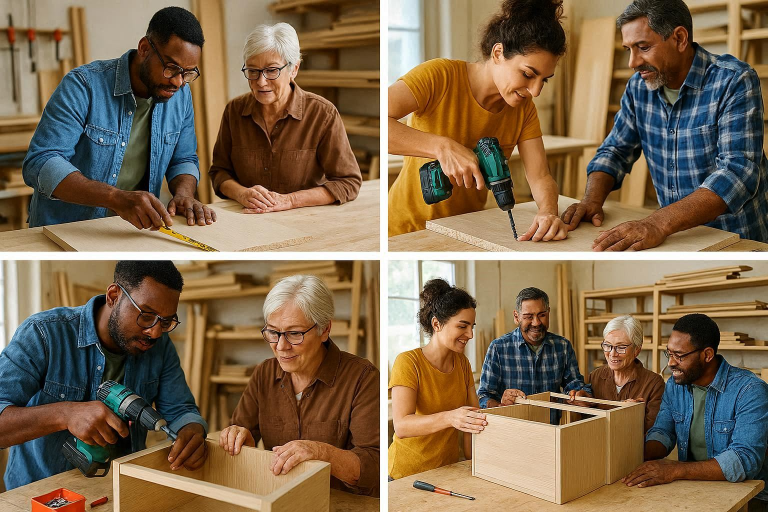
Building your own kitchen cupboards can be a gratifying project. Not only does it allow you to customize your kitchen storage exactly the way you want, but it can also save you a lot of money compared to buying pre-made cabinets. Whether you’re aiming for a modern look or a rustic feel, building kitchen cupboards from scratch is an achievable and satisfying DIY project. In this guide, we will walk you through everything you need to know, from the materials and tools required to step-by-step instructions on building, assembling, and installing your very own kitchen cupboards.
Understanding the Search Intent
When people search for “how to make kitchen cupboards”, they are typically looking for a comprehensive guide that will help them design, build, and install their own cabinets. Some users might be beginners who need a very simple explanation, while others may be more advanced DIYers looking for specific tips or advanced techniques. This article aims to provide practical, actionable advice to meet all skill levels.
As such, the goal is not only to teach you how to build kitchen cupboards but also to help you avoid common mistakes, make informed Cleaning Guide for Home & Kitchen decisions on materials and design, and equip you with tips that can elevate your DIY project. We’ll cover everything from measurements, cutting materials, and finishing techniques to installation, all in a clear, step-by-step process.
Materials & Tools You’ll Need
Before jumping into the construction process, it’s crucial to gather all the necessary materials and tools. You’ll need a variety of items, including wood for the panels, hinges for the doors, and tools like saws and drills to assemble everything.
Common Materials for Kitchen Cupboards
- Plywood – A durable and cost-effective option for building the carcases (frames) of your cupboards. 3/4-inch plywood is a popular choice.
- MDF (Medium Density Fiberboard) – Ideal for doors and panels due to its smooth finish, perfect for painting.
- Hardwood or Softwood – Depending on your style, hardwood like oak or maple is great for premium cupboard finishes, while pine is more affordable.
- Veneer or Laminates – For a polished, high-end look, you can add a veneer or laminate to the plywood surfaces.
- Cabinet Hardware – Hinges, drawer slides, handles, and knobs are essential for functionality and aesthetics.
- Screws and Wood Glue – Used to hold the cabinet components together securely.
- Finish – Paint, stain, or varnish will help protect the wood and give it a professional, polished look.
Essential Tools (for DIYers)
- Measuring Tape – Accurate measurements are key to ensuring your cupboard fits perfectly in your space.
- Circular Saw – For cutting plywood and MDF panels to size.
- Jigsaw – Ideal for cutting curves or custom shapes for cabinet doors.
- Drill/Driver – Used for drilling holes for screws and installing hardware.
- Sanding Block or Power Sander – To smooth out rough edges and prepare surfaces for finishing.
- Clamps – Essential for holding pieces together while gluing or screwing them.
- Level – Ensures your cupboards are installed straight and even.
Planning & Design Phase
A little planning and measurement upfront can save you a lot of headaches down the road. Here’s how to approach the planning and design phase of your cupboard project.
Measuring Your Kitchen Space
The first step in building your kitchen cupboards is measuring the available space. Whether you’re building base cupboards, wall cupboards, or tall cabinets, it’s essential to know the dimensions of the area where the cupboards will be installed.
- Base Cupboards: Measure the width, height, and depth of the area where these cabinets will go. Standard base cabinets are usually around 24 inches deep, 34.5 inches high, and come in widths ranging from 12 inches to 48 inches.
- Wall Cupboards: Wall cabinets are typically 12 to 24 inches deep, and their height depends on your kitchen’s design and the desired layout.
Deciding on Cabinet Type (Base, Wall, Tall)
Think about the type of cupboards you need:
- Base Cabinets: These sit on the floor and are the backbone of kitchen storage. They often hold things like pots, pans, and food items.
- Wall Cabinets: Mounted on the wall, these are perfect for lighter storage like glassware, spices, or dishware.
- Tall Cabinets: These are ideal for larger storage, such as pantries or broom closets.
Choosing Style & Finish
Decide on the style you want for your kitchen. The simplest styles include flat-panel doors or shaker-style doors, while more complex designs might involve raised panels or decorative molding. Additionally, the finish of your cupboards can vary. Some popular finishes include:
- Painted MDF – Offers a smooth, uniform look with a wide variety of color options.
- Stained Wood – Allows the natural grain of the wood to show through, adding warmth and richness.
- Veneer Laminates – Mimics the look of hardwood while being more affordable.

Step-by-Step: Building the Cupboard Carcass
Now that you’ve gathered your materials and tools and decided on the design, let’s dive into the actual construction.
Cutting the Panels and Sidewalls
Start by cutting the plywood or MDF panels to the measurements of your cupboard carcass. Make sure to measure twice and cut once to avoid mistakes. You’ll need:
- Side panels
- Top and bottom panels
- Back panel
Ensure all pieces are cut square, as any angle errors will affect the final assembly.
Assembling the Box / Carcass
Once you have all your panels cut, it’s time to start assembling the cupboard. Lay out the side, top, and bottom panels, then use wood glue and screws to secure the pieces together. Be sure to clamp them tightly while the glue sets. Use a square to check that everything is aligned at right angles.
Installing Back Panel, Supports & Toe-Kick
Once the box is assembled, attach the back panel using screws or nails. You can also install a toe-kick, which is a small recessed section at the bottom of the cupboard that allows for easy access and cleaning beneath the cabinets.
Step-by-Step: Making Doors, Drawers & Face Frame
Now that the carcass is complete, it’s time to focus on the doors, drawers, and face frame.
Face-Frame vs Frameless Construction
- Face-frame cabinets are constructed with a wooden frame that covers the edges of the cupboard box, providing extra strength and a more traditional aesthetic.
- Frameless construction is a modern style where the doors are mounted directly onto the edges of the box. This style offers a more streamlined, contemporary look.
Building the Doors
When building cupboard doors, you can choose from several styles:
- Flat-panel doors are simple and modern.
- Shaker-style doors feature a raised border around a flat center.
- Frame and panel doors are traditional and have a more complex, detailed look.
Measure the opening of each cupboard, then cut your doors to size, leaving a small gap (around 1/8 inch) between the door and the edge of the frame.
Building Drawers & Slides
For cupboards with drawers, measure and cut the sides, front, back, and bottom of the drawer box. You can choose to build a face-frame drawer or a more modern, frameless drawer design. Install the drawer slides according to the manufacturer’s instructions, ensuring they are level and aligned properly.
Finishing, Hardware & Installation
After the cupboard boxes, doors, and drawers are assembled, it’s time for finishing and installation.
Sanding, Paint/Finish, Veneer, Laminates
Sanding is essential to smooth rough edges and prepare the surface for finishing. Apply your choice of finish—paint, stain, or veneer—allowing adequate drying time between coats.
Attaching Hinges, Handles, Drawers
Install the hinges and attach them to the doors, ensuring they open and close smoothly. For drawers, attach the slides and ensure everything is level. Add handles and knobs according to your preferred style.
Installing the Cupboards in the Kitchen Space
Finally, secure the cupboard frames to the wall using screws and wall anchors. Make sure the cupboard is level and aligned correctly. If needed, install a countertop or additional shelves for extra storage.

Common Mistakes to Avoid
Building kitchen cupboards can be tricky, and there are a few mistakes you’ll want to avoid:
- Inaccurate Measurements: Measure and double-check everything to avoid gaps or cabinets that don’t fit.
- Skipping Sanding: Rushing through sanding can lead to an uneven finish and poor adhesion of paint or stain.
- Wrong Hardware: Using the wrong type or size of hinges and slides can lead to functionality problems.
- Poor Installation: Always ensure cupboards are level before securing them to the wall.
Tips and Best Practices
- Use Premium Materials: Investing in high-quality materials ensures that your cupboards will last longer and have a professional appearance.
- Take Your Time: Rushing through the project can lead to mistakes. Be patient and careful with every step.
- Start with Simple Designs: If you’re a beginner, stick with basic styles like flat-panel doors and simple finishes.
- Use the Right Tools: Having the right tools for the job can make a huge difference in both the ease and quality of the final product.
Frequently Asked Questions
- How much does it cost to make your own kitchen cupboards?
- Costs can vary depending on the materials you choose, but on average, building your own cupboards can cost between $100–$300 per cabinet.
- What is the standard depth and height of kitchen base cupboards?
- The standard depth for base cabinets is 24 inches, and the standard height is 34.5 inches.
- What materials are best for kitchen cupboard carcasses?
- Plywood, MDF, and particleboard are commonly used for carcasses due to their durability and ease of use.
- How long does it take a DIYer to build kitchen cupboards?
- A DIYer can expect to spend anywhere from 2–4 days building and finishing kitchen cupboards, depending on the complexity of the design.
- Can I build kitchen cupboards without a table saw?
- Yes! While a table saw can make the job easier, you can use a circular saw or jigsaw to make most of the necessary cuts.
Conclusion
Building your own kitchen cupboards is a fantastic way to add a personal touch to your kitchen while saving money. By following the steps outlined above, from gathering the materials and tools to the final installation, you can create high-quality, custom cupboards that fit your space and style perfectly. Remember to take your time, measure carefully, and avoid common mistakes. With patience and dedication, you’ll be able to enjoy your beautiful, functional kitchen cupboards for years to come!