

It’s a problem that’s more common than you might think: tiny ants marching through your kitchen. Whether it’s a small trail of ants across your countertops or an entire colony setting up camp behind your appliances, dealing with these pests can be frustrating. Tiny ants can seem harmless at first, but left unchecked, they can become a bigger issue. They can contaminate food, leave trails that are difficult to remove, and quickly multiply.
In this guide, we’ll walk you through how to get rid of those pesky ants and prevent them from returning. From cleaning tips and natural remedies to when to use chemical solutions, we’ve got you covered. By the end of this article, you’ll know exactly how to handle tiny ants in your kitchen, so you can get back to enjoying a clean, ant-free space.
Understanding Tiny Ants in the Kitchen
Before you can tackle the problem, it helps to understand the types of ants you’re dealing with and why they invade your kitchen in the first place.
What Are Tiny Ants?
Tiny ants, also known as sugar ants, are small species of ants that often infest kitchens in search of food. The most common Cleaning Guide for Home & Kitchen species you’ll encounter are sugar ants, pavement ants, and pharaoh ants.
- Sugar ants: These are typically small (about 1/8 inch long) and often found scurrying along kitchen countertops, drawn to sugary foods and crumbs.
- Pavement ants: These ants are typically dark brown or black and can sometimes be found in kitchen areas, especially during warmer months.
- Pharaoh ants: These ants are tiny, pale yellow or light brown, and often invade kitchens in search of food and water.

Why Do Tiny Ants Invade Kitchens?
Tiny ants invade kitchens for a few key reasons: food, water, and warmth. Your kitchen is a perfect environment for them because it often provides all three.
- Food sources: Crumbs, spilled sugar, and leftover food are all things that attract ants. They love sugary foods, grease, and fats, so it’s easy for them to find something tasty in your kitchen.
- Water sources: Kitchens provide ample opportunities for ants to find water, whether from spilled liquids, leaky faucets, or moisture around sinks.
- Seasonal patterns: Ants are more active in the warmer months, but they can infest your kitchen year-round. During spring and summer, they’re often looking for food sources to build up their colonies.
Steps to Get Rid of Tiny Ants in Your Kitchen
Now that you understand why ants are there, let’s dive into the practical steps to get rid of them and keep them from coming back.
Step 1: Clean and Sanitize the Kitchen
Ants are drawn to food and moisture, so the first step in eliminating them is to clean your kitchen thoroughly. This means not just wiping down countertops but also deep cleaning areas that are often overlooked.
- Clean surfaces and floors: Wipe down your counters and tables regularly, paying special attention to any crumbs or spills. Use a vacuum to get rid of crumbs from cracks, corners, and under appliances.
- Don’t forget the hidden areas: Ants can thrive in areas you might not notice, like under the fridge, behind the stove, and in the cabinets. These areas should be cleaned with soap and warm water to remove any traces of food.
- Rinse dishes promptly: Avoid leaving dirty dishes in the sink overnight. Ants are attracted to food remnants, so make sure to rinse your dishes thoroughly before putting them away.
Step 2: Locate the Ant Trails and Nest
Once your kitchen is clean, the next step is to locate where the ants are coming from and where they’re going. This is important for knowing where to focus your efforts.
- Track the trails: Ants leave a scent trail that other ants follow, so if you see a line of ants, follow them to their source. You can use a fine powder like talcum powder or powdered chalk to help you see the path the ants are taking.
- Locate the nest: Ant nests are typically found in cracks, walls, or under the floor. They may be inside or outside the home. If the nest is indoors, it’s crucial to find it, as it could be the source of your infestation.
Step 3: Use Natural Remedies to Repel Ants
If you prefer a natural approach, there are several remedies that can help repel ants. Many of these options are effective and safe for households with pets and children.
- Vinegar: Mix equal parts of vinegar and water in a spray bottle. Spray this solution on ant trails and around entry points to disrupt their scent trail.
- Lemon juice: Ants dislike citrus, so spraying a mixture of lemon juice and water around entry points and on surfaces can help keep them away.
- Cinnamon: This is a natural repellent for ants. You can sprinkle ground cinnamon along ant trails or place cinnamon sticks near entry points to deter them.
- Essential oils: Essential oils like peppermint and tea tree oil are known to repel ants. Dilute a few drops of the mixture in water and spray it in areas where ants are active.
Step 4: Apply Chemical Ant Killers (if needed)
Natural remedies may not be enough, and you may need to use chemical solutions. When choosing chemical products, it’s essential to select one that is safe for use in kitchens, especially if you prepare food there.
- Bait traps: Ant bait traps attract ants, which then take the poison back to their nest. This can help eliminate the colony over time.
- Sprays: There are many ant sprays available that can kill ants on contact. However, use these with caution, especially in areas where food preparation is taking place.
- Ant dust: This can be sprinkled in cracks, corners, or any other places where ants are entering. Ant dust works slowly but can be effective in eliminating ant colonies.
Step 5: Seal Entry Points
Now that you’ve dealt with the ants inside, it’s time to prevent new ants from getting in. Sealing entry points is essential for long-term control.
- Inspect for cracks and gaps: Check around windows, doors, and walls for any gaps that ants could use to enter the house. Even small cracks can provide an easy route for ants.
- Seal gaps: Use caulk or weatherstripping to close up any gaps you find. This will make it harder for ants to find their way into your kitchen.
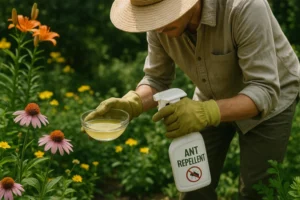
Preventing Future Ant Infestations
Once you’ve dealt with your current ant problem, it’s important to adopt habits that will help prevent ants from invading in the future.
Regular Cleaning and Maintenance
- Keep your kitchen clean: Regularly vacuum, wipe down surfaces, and clean your appliances to ensure you’re not leaving food or water sources behind.
- Store food in airtight containers: Ants are attracted to food, so ensure all food items are properly sealed. This includes not only pantry items but also pet food and trash bags.
- Proper waste disposal: Take out the trash regularly and store garbage in sealed bins. Ants can often be found in trash cans, especially if there’s food waste inside.
Outdoor Prevention Tips
- Eliminate outdoor nests: Ants often set up nests around the exterior of your home. Check the perimeter of your house and eliminate any visible nests.
- Proper landscaping: Trim back any plants or bushes that touch your house, as they can provide ants with easy access to your kitchen.
- Maintain a barrier: Ensure there’s a gap between plants, mulch, and your house’s foundation. This will help keep ants from finding a direct route inside.
Long-Term Strategies for Ant Control
If you continue to have issues with ants, it may be time to consider professional pest control services. They can provide long-term solutions and help prevent future infestations.
- Regular inspections: Pest control companies can perform regular inspections to identify and eliminate potential entry points.
- Targeted treatments: If you have a recurring problem, professional treatments can target ant nests more effectively than DIY solutions.
Common Ant Problems and Solutions
What to Do if Ants Keep Coming Back
Even after you’ve cleaned and sealed your kitchen, ants may still find a way to return. If you’re facing persistent ant problems, you may need to try more targeted approaches like using stronger baits or calling in a professional.
Are Ants Dangerous in the Kitchen?
While ants aren’t typically harmful in themselves, they can spread bacteria and contaminate food. This is why it’s important to deal with them promptly, especially in food preparation areas.
FAQ
Q1: Why do I have tiny ants in my kitchen?
- Tiny ants are usually attracted to food, moisture, and warmth. Kitchens are a perfect environment for them due to these factors.
Q2: What’s the fastest way to get rid of ants in the kitchen?
- The quickest way is to clean the kitchen thoroughly and use bait traps or natural remedies like vinegar or cinnamon.
Q3: Are natural remedies safe for pets and children?
- Yes, most natural remedies like vinegar, lemon, and essential oils are safe when used properly. However, some essential oils may irritate pets, so caution is advised.
Q4: How can I prevent ants from entering my kitchen in the future?
- Regularly clean your kitchen, store food in airtight containers, and seal any cracks or gaps in the walls and windows.
Q5: When should I call a pest control professional?
- If the infestation is severe or persistent despite DIY efforts, it’s best to call a pest control professional for targeted treatments.
Conclusion
Tiny ants in the kitchen are a common problem, but with the right steps, you can eliminate them and prevent future infestations. Regular cleaning, sealing entry points, and using both natural and chemical solutions can help keep ants at bay. Stay vigilant and proactive, and your kitchen can remain clean and ant-free.