
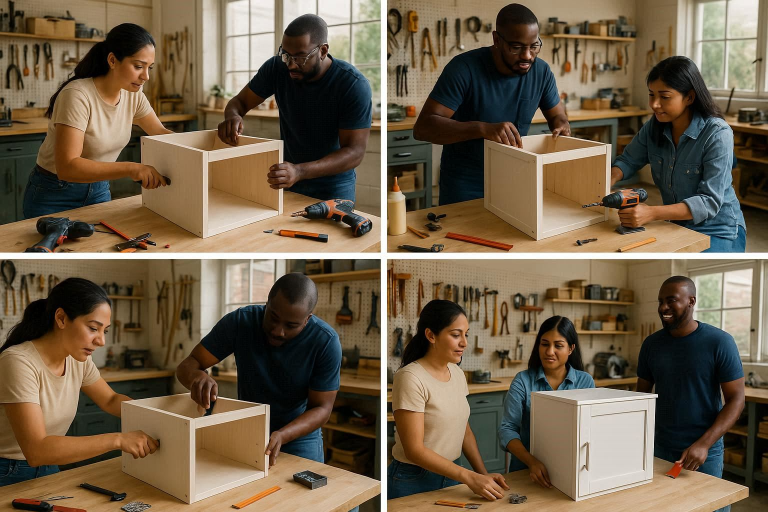
Building your own kitchen cabinets can seem like a daunting task, but it’s an enriching experience. If you’re tired of spending a lot of money on pre-made cabinetry or want something more personalised, this guide is for you. Not only does building your own cabinets save you money, but it also lets you design a kitchen that’s truly yours. You get to control everything—size, material, finish, and most importantly, the satisfaction of crafting something yourself.
Whether you’re a DIY enthusiast, a homeowner looking to remodel, or a hobbyist woodworker, this guide will walk you through everything you need to know to build your own kitchen cabinets. You’ll learn about the tools and materials required, how to measure your space, and, of course, the step-by-step process of bringing your vision to life.
Why Build Your Own Kitchen Cabinets?
Cost Savings
Let’s face it—kitchen remodels can be expensive, and cabinets take up a large portion of that budget. By building your own, you can save hundreds or even thousands of dollars. Pre-made cabinets at big-box stores often come with hefty Healthy Cooking Gadgets Every Home Should Have markups, and custom cabinets from professionals can cost a small fortune. When you build your own, you’re only paying for materials and your time. The best part? You don’t have to compromise on quality.
For instance, a basic, pre-made kitchen cabinet from a store can cost anywhere from $100 to $500 or more per unit, depending on its size and material. Building your own? That same unit could cost you around $50 to $150 in materials, saving you a significant amount of cash.
Customization
One of the best reasons to build your own kitchen cabinets is the level of customisation you can achieve. Unlike standard cabinets that come in set sizes, you get to decide the dimensions that work best for your space. Whether you have a small kitchen that needs compact cabinets or a large kitchen in need of oversized cabinets, building them yourself allows you to create the perfect fit.
You can also select materials that suit your aesthetic and needs. Want a rustic feel? Use reclaimed wood. Looking for something sleek and modern? Go with high-quality plywood or MDF. With pre-made cabinets, your options are limited. But with DIY, the sky’s the limit.
Satisfaction and Pride
There’s something deeply satisfying about crafting your own furniture. Knowing you built it yourself and it fits perfectly into your home provides a sense of accomplishment that buying pre-made cabinets can’t match. Plus, it’s a conversation starter. Imagine showing off your kitchen to friends and family, proudly saying, “I built those cabinets.”

Tools and Materials You’ll Need
Before you begin, let’s review the tools and materials you’ll need.
Essential Tools
- Circular Saw or Table Saw – For cutting your panels to the correct size.
- Drill and Driver – For making pilot holes and driving screws. A corded or cordless drill with various bit sizes is essential.
- Measuring Tape – You can’t build cabinets without precise measurements. Invest in a good-quality tape measure.
- Clamps – Keep your panels securely in place as you assemble them.
- Screws and Nails – These will hold your panels together. Use wood screws for the frame and smaller nails for trim work.
- Wood Glue – For added strength in your joins, especially in the cabinet frame and doors.
Materials
- Wood: You have a few options here:
- Plywood: Budget-friendly and sturdy, great for cabinet sides, backs, and shelves.
- MDF (Medium-Density Fiberboard): Smooth and ideal for painting, often used for cabinet doors.
- Hardwood: Expensive but perfect for a high-end finish, often used for door frames or for those looking for a premium look.
- Cabinet Hardware: Hinges, drawer slides, handles, and knobs.
- Paint or Stain: For finishing your cabinets. Choose a durable, easy-to-clean finish that will hold up in the kitchen.
- Edge Banding: For a clean, professional look around the edges of plywood.
Optional Upgrades
- Soft-Close Hinges: For a smooth and quiet closing experience.
- Decorative Moulding: To add a more sophisticated look to your cabinets.
- Drawer Organizers: For a more functional and organized interior.
Preparing for Your Cabinet Build
Measuring Your Kitchen Space
Before you start cutting wood, you need accurate measurements. First, measure the available space where your cabinets will go. For upper cabinets, measure the distance from the counter to the ceiling. For lower cabinets, measure the height from the floor to the desired cabinet bottom, and the width and depth of your kitchen walls.
Tip: Always measure multiple times. It’s better to double-check and be sure than to mess up and waste materials.
Designing Your Cabinets
Once you have your measurements, you’ll need to design your cabinets. Use graph paper, sketch out your designs, or use free online tools like SketchUp or Cabinet Vision to help with layout and dimensions. Consider the size of your drawers, the type of doors, and if you want any special features, like pull-out shelves or lazy Susans.
If you’re new to design, keep things simple. Stick to basic cabinet styles (like square doors and standard drawers) to make the build easier.
Budgeting
Don’t dive into the build without knowing how much you’re willing to spend. Your costs will depend on the materials you choose and the complexity of your design. As a rough guide, here’s a basic breakdown:
- Plywood/MDF for Cabinet Body: $50 – $150 per sheet.
- Hardwood for Doors: $100 – $200.
- Cabinet Hardware (Hinges, Drawer Slides): $5 – $10 per piece.
Expect to spend around $500 to $1,000 for a simple kitchen with about 6-8 cabinets, depending on size and material.

Step-by-Step Guide to Building Kitchen Cabinets
Step 1: Cutting the Panels
Start by cutting your panels to size. Use a circular saw or table saw to cut the cabinet sides, shelves, back panels, and doors. Double-check your measurements before cutting—this is where precision counts the most. If you’re cutting doors, make sure they align with the frames once assembled.
Step 2: Assembling the Cabinet Frame
Now, it’s time to put your panels together. Lay the side panels flat, then attach the top, bottom, and back panels using wood screws and wood glue. Make sure everything is square by measuring the diagonals (they should be equal if the cabinet is square).
Step 3: Installing Shelves and Dividers
Next, add shelves or dividers inside the cabinet frame. These can be fixed or adjustable, depending on your design. If you want adjustable shelves, use shelf pins to allow for flexibility.
Step 4: Building and Attaching the Doors
Measure and cut the doors to size, then attach them to the cabinet frame using hinges. Install the hinges on the side panels first, then attach the doors. Take your time to make sure the doors are aligned properly.
Step 5: Sanding and Finishing
Sanding your cabinet surfaces will make them smooth and ready for paint or stain. Start with a medium-grit sandpaper and finish with a fine-grit to remove any rough edges. Once sanded, apply a primer, then paint or stain your cabinets to your desired finish.
Cabinet Installation: How to Mount Your Cabinets in the Kitchen
Preparing the Wall
Before you hang your cabinets, ensure the wall is level and studded for secure mounting. Use a level to mark a straight line on the wall for your upper cabinets.
Hanging the Cabinets
Start with the upper cabinets. Get a friend to help you lift and secure them in place. Attach the cabinets to the wall studs using screws, making sure the cabinet is level. For lower cabinets, repeat the process, ensuring they’re aligned with the upper cabinets.
Adjusting Doors and Drawers
Once everything is mounted, adjust the doors and drawers to ensure they open and close smoothly. Check the alignment and make minor adjustments to the hinges if necessary.
Common Mistakes to Avoid When Building Kitchen Cabinets
Poor Measurements
Always double-check your measurements. Even a small error can result in a cabinet that doesn’t fit or doesn’t align properly.
Ignoring Cabinet Weight
If you’re building large cabinets or ones designed to hold heavy items, make sure they’re strong enough. Use sturdy materials and reinforce joints where necessary.
Skipping the Finishing Touches
The finishing touches matter. Don’t rush through the painting or staining process, as a rushed finish can make the cabinets look cheap and diminish their durability.
How to Finish and Maintain Your Custom Kitchen Cabinets
Sealing and Protecting
After your cabinets are painted or stained, it’s essential to protect them with a clear sealant or varnish, especially in a kitchen environment where moisture is common. This helps prevent water damage and ensures your cabinets last.
Cleaning and Maintenance
To keep your cabinets looking brand new, regularly wipe them down with a soft cloth and mild cleaner. Avoid harsh chemicals that can damage the finish. If you have wooden cabinets, consider re-oiling or waxing them every couple of years to maintain their appearance.
FAQ
Q1: How much does it cost to build kitchen cabinets?
- The cost can vary depending on the materials used, size, and complexity. Expect to spend $500-$1,000 for a basic kitchen with 6-8 cabinets.
Q2: Can I build kitchen cabinets without woodworking experience?
- Yes! With patience and careful planning, even beginners can tackle this project.
Q3: How long will it take to build and install kitchen cabinets?
- The timeline can vary, but for beginners, expect the entire process to take around a week, depending on your pace.
Q4: Do I need special permits to build and install kitchen cabinets?
- Generally, no. But if you’re making structural changes to your home, check local regulations.
Q5: What’s the best type of wood for kitchen cabinets?
- Plywood or MDF for budget options, hardwood for a high-end finish.
Conclusion
Building your own kitchen cabinets isn’t easy, but it’s incredibly rewarding. Not only will you save money, but you’ll have a kitchen that’s customized to your needs and style. If you’re willing to put in the work, the satisfaction of a job well done will be worth it.
Ready to get started? Download our materials checklist, and don’t forget to subscribe for more DIY tips to help you with your next home improvement project!